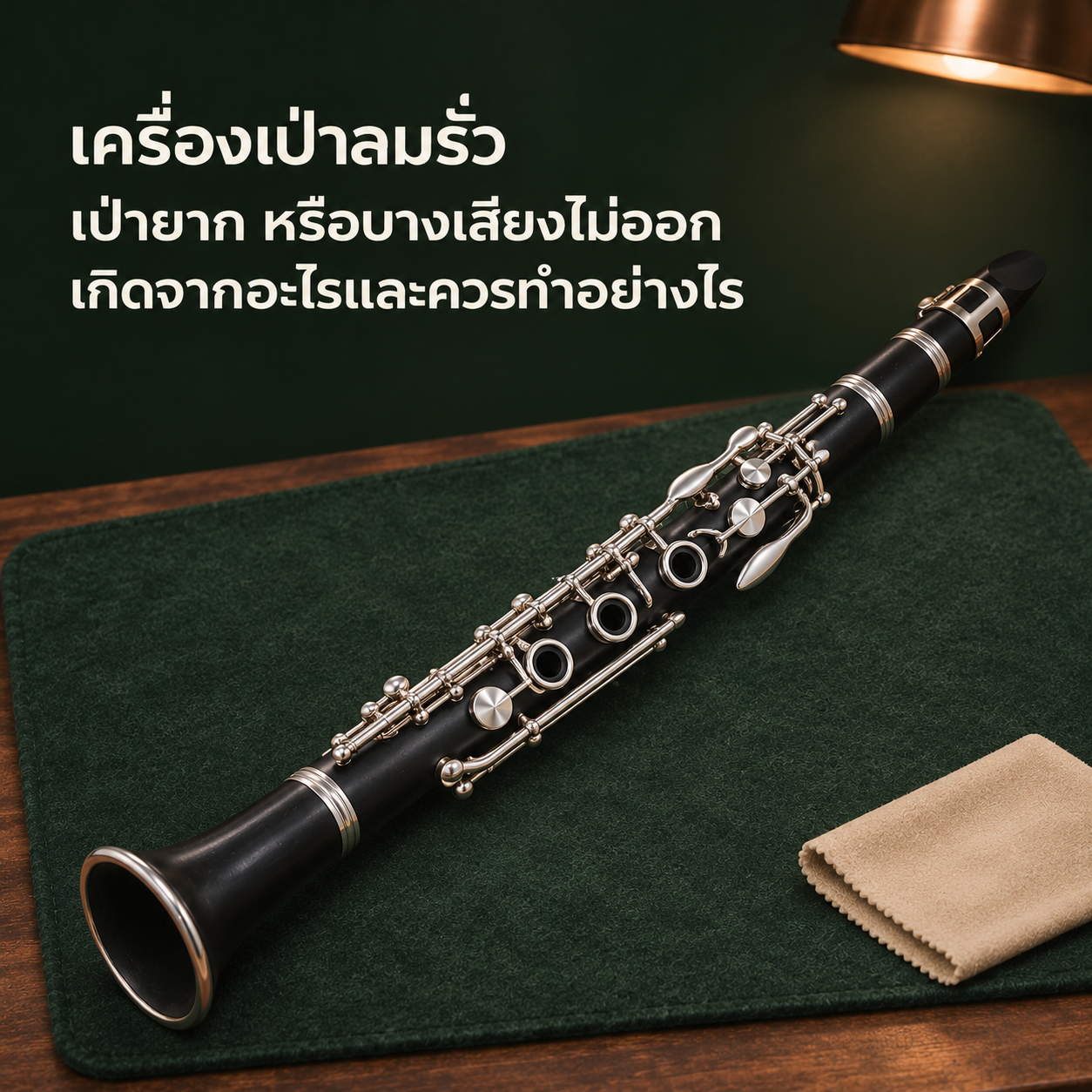
Wind Service & Inspection · WSI-002
Why Is My Wind Instrument Leaking Air, Hard to Play, or Missing Some Notes?
If your wind instrument becomes difficult to play, some notes will not sound, or the sound cuts in and out, possible causes include air leaks around pads or joints, as well as problems with the keys, mouthpiece, or reed on reed instruments. First, check that the instrument is assembled correctly and note which notes are affected. If the problem continues, have a technician inspect the instrument to identify the cause.
How to Describe the Problem to a Technician
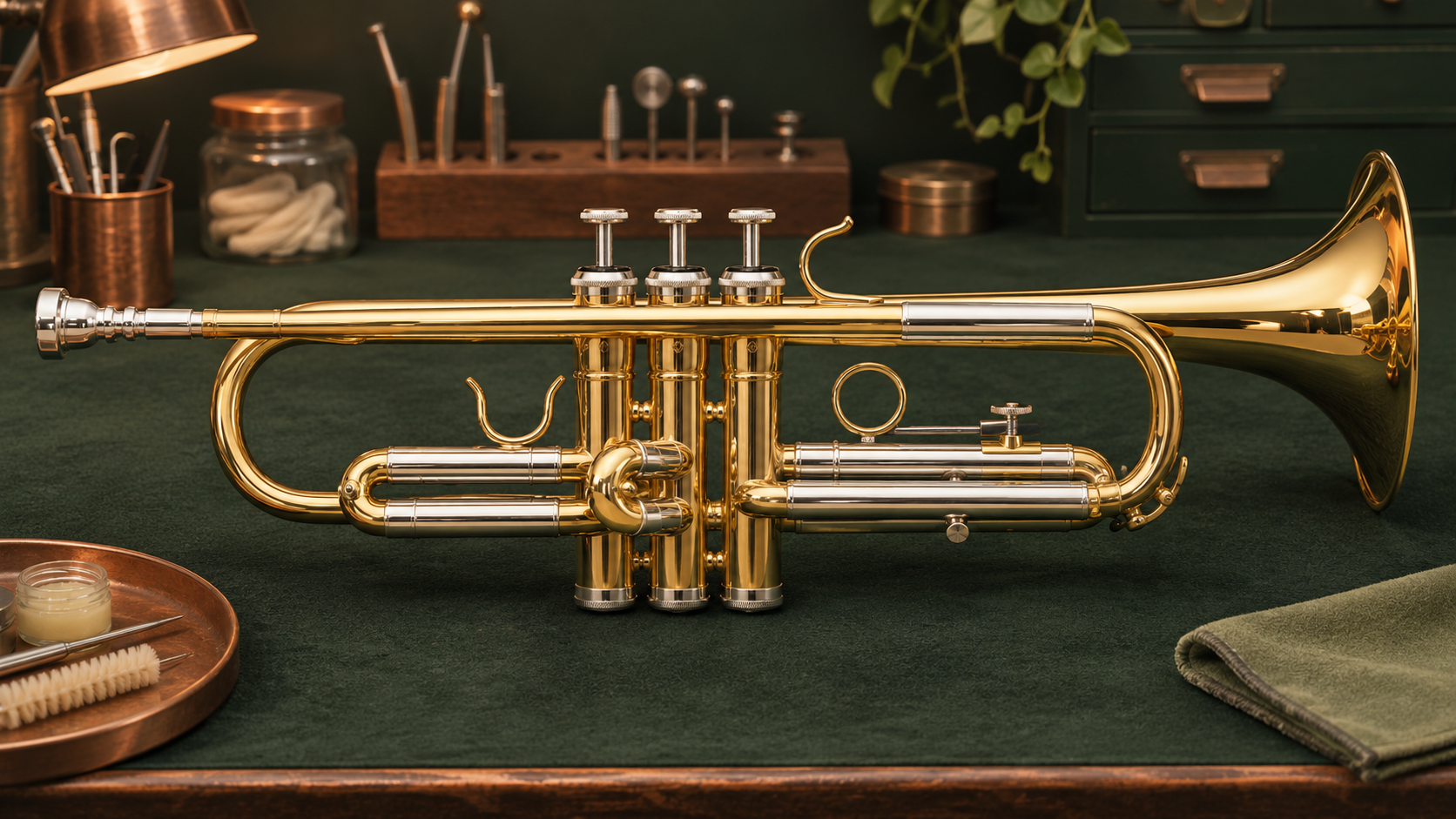
Note which notes are affected, whether the problem occurs across the full range or only in certain registers, and whether it happens all the time or only occasionally. Also consider whether it started after assembling the instrument, changing the reed, or dropping or knocking the instrument.
If possible, ask your music teacher to try the instrument with a familiar mouthpiece to help identify the issue. A short video, together with a description of the notes that cause trouble, can help the technician understand the symptoms more clearly.
What a Technician May Need to Check
The inspection depends on the instrument and its symptoms. For woodwind instruments, a technician may check the pads that seal the tone holes, springs, keys, cork, and joints, as well as how keys in different positions work together.
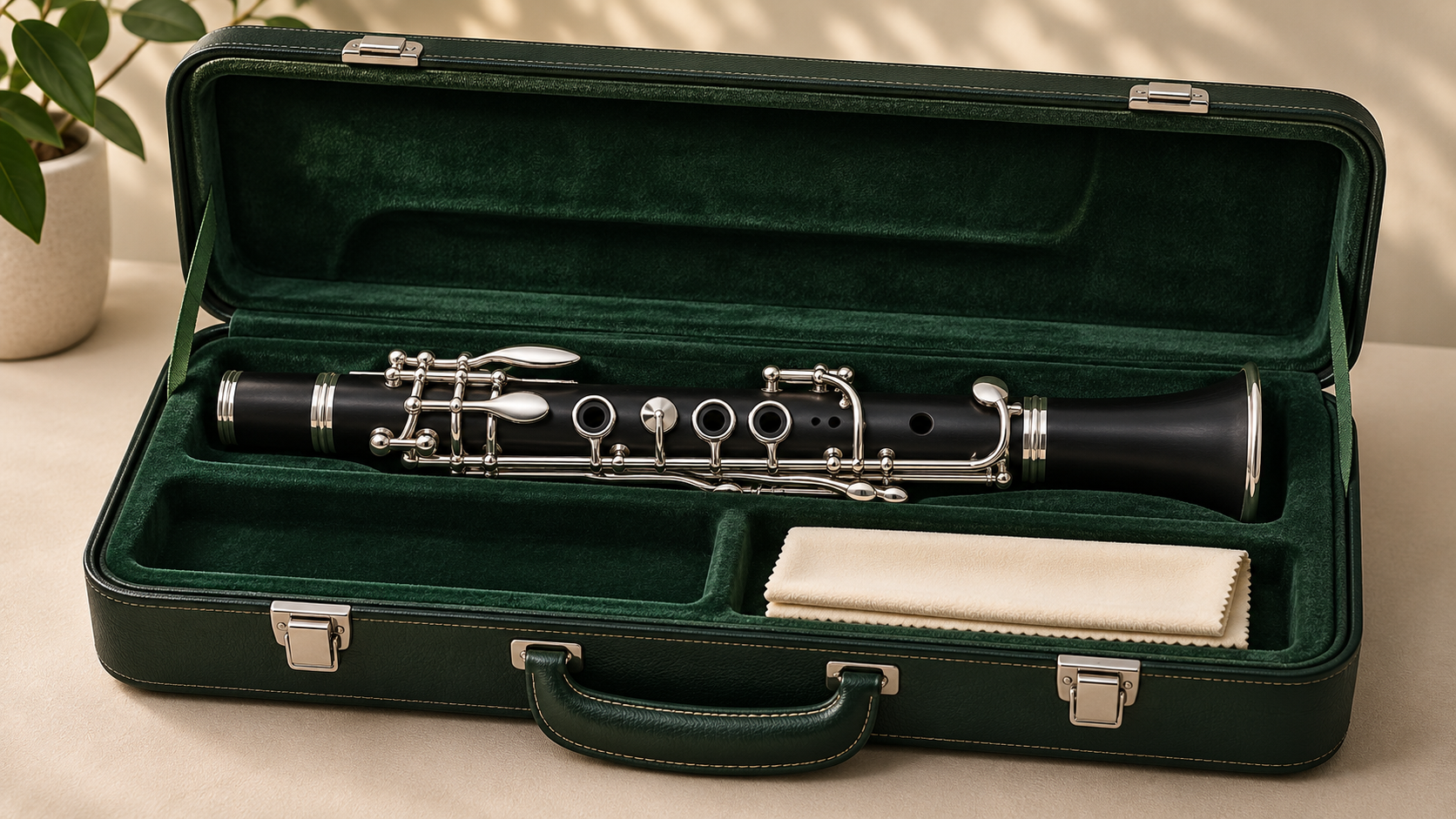
For brass instruments, a technician may check the pistons, tuning slides, slide mechanisms, and possible air-leak points. Depending on the instrument’s actual condition, the repair may involve an adjustment, replacement of a specific part, or additional repair work.
What You Can Do Before Sending the Instrument for Repair
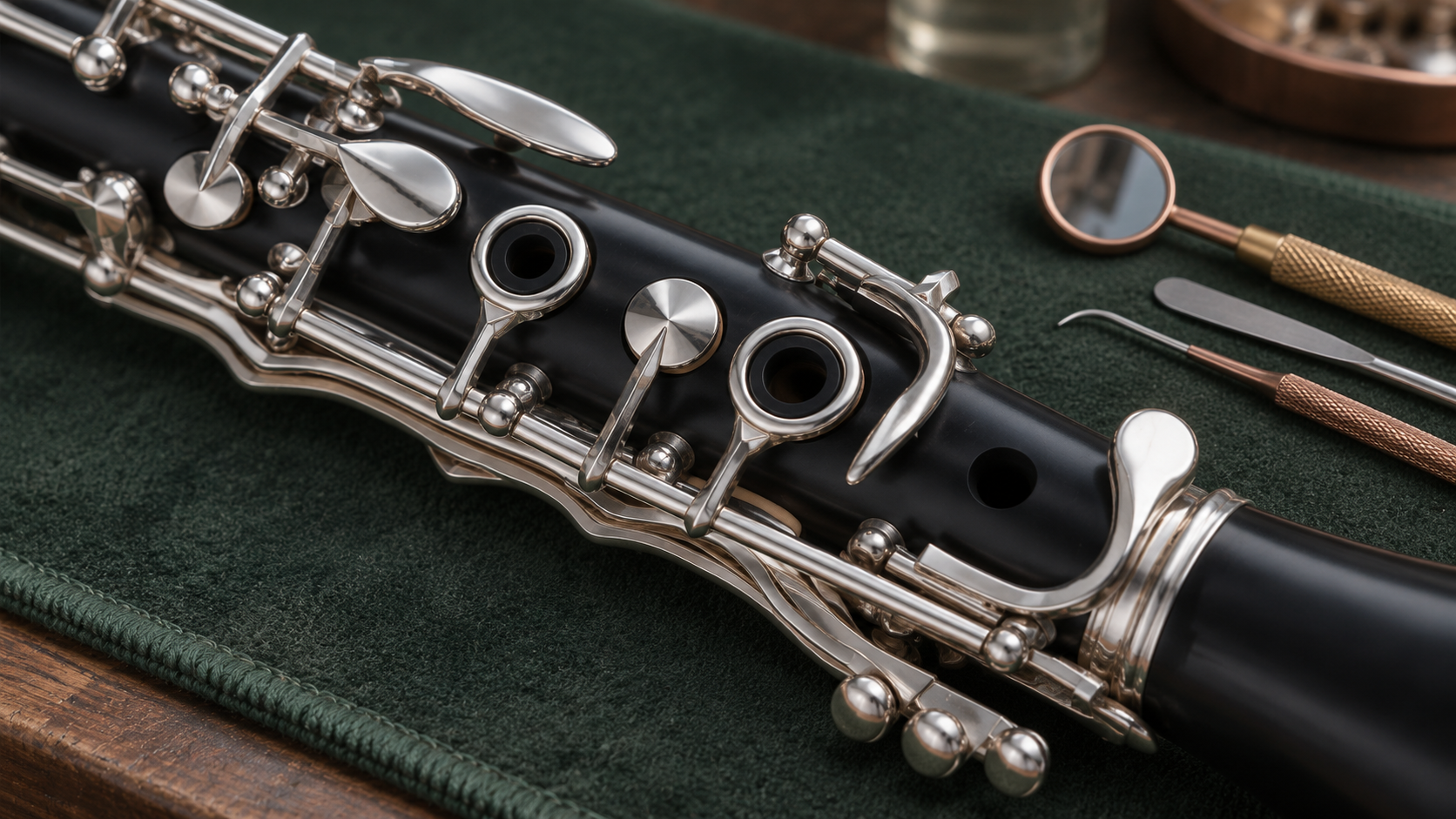
- Check that the instrument is assembled correctly and that all removable parts are in place.
- Wipe away moisture with a cloth or care tool suitable for the instrument.
- Store the instrument in a dry case and note when the problem occurs.
When to Stop Playing and Have the Instrument Inspected
If the same notes repeatedly fail, a key sticks, a joint feels loose, or the instrument has been knocked or dropped, stop playing and have it checked instead of forcing it. If you have an upcoming exam or performance, tell the service team when you need the instrument and ask about the repair schedule before sending it in.
The service team can confirm the scope of work, price, and estimated completion time after inspecting the instrument.
Frequently Asked Questions
Do all the pads on a wind instrument need to be replaced?
Not necessarily. The symptom alone is not enough to determine this. A technician needs to check which pads are not sealing properly and whether the other parts are working together correctly.
Does a wind instrument that sounds out of tune always need repair?
First consider factors such as instrument setup, mouthpiece, reed, and playing technique. If an air leak or a mechanism out of position is found, a technician can assess the repair needed based on the instrument’s condition.
Can I keep playing the instrument temporarily?
If you have to force a key or the instrument has been damaged by an impact, stop using it and have the service team assess it first.
Ask About an Inspection or Book a Service
Tell us the instrument type, model if known, symptoms, and the date you need it. Photos or a short video can help with an initial assessment. The team will confirm the scope of work, repair cost, and collection schedule after the technician has inspected the instrument.
View Wind Instrument Repair Services Read More Wind Instrument ArticlesPrivilege Coupon
Customers who use Churairat Music’s maintenance or adjustment services may be eligible for a Privilege Coupon under the company’s terms. The coupon can be used as a discount on a future product purchase or service. Please ask the team about the coupon value and conditions before using the service.