


เปียโน / Piano Knowledge
เปียโน / Piano Knowledge
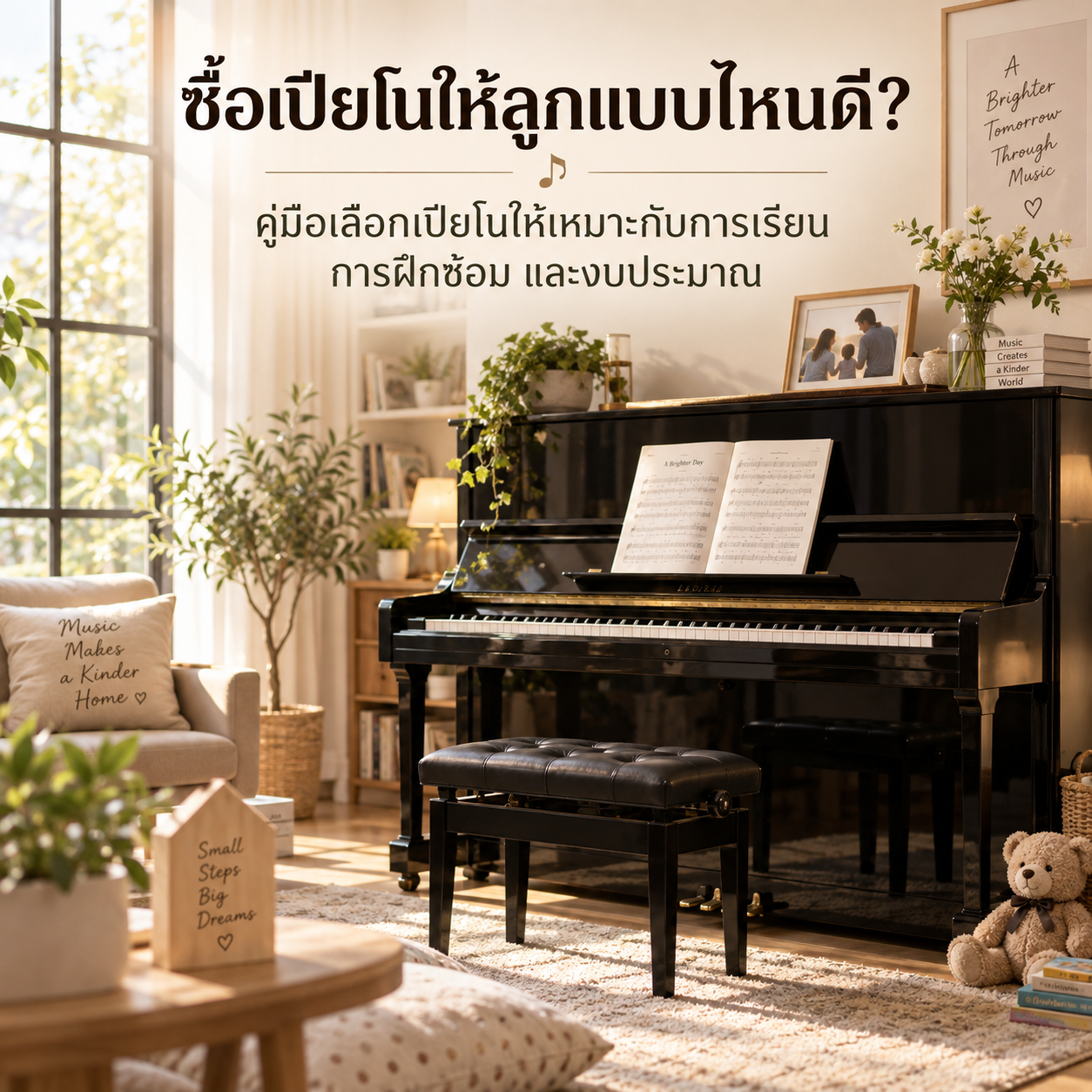
Buying a piano for your child does not mean starting with the most expensive model. The better approach is to consider your child’s readiness, the available space at home, and the family’s learning plan. For beginners, an Acoustic Piano provides real piano tone, key weight, and key response, while renting first can help the family evaluate whether the child will continue learning and whether the piano fits everyday home use.
A Grand Piano is a high-value instrument and is not always easy to resell privately. Over time, the owner may want to move to a longer model, relocate, or eventually no longer need the piano. A buy-back guarantee therefore provides a long-term option, with the company able to assess and buy back the piano according to its condition and the applicable company terms at the time of assessment.
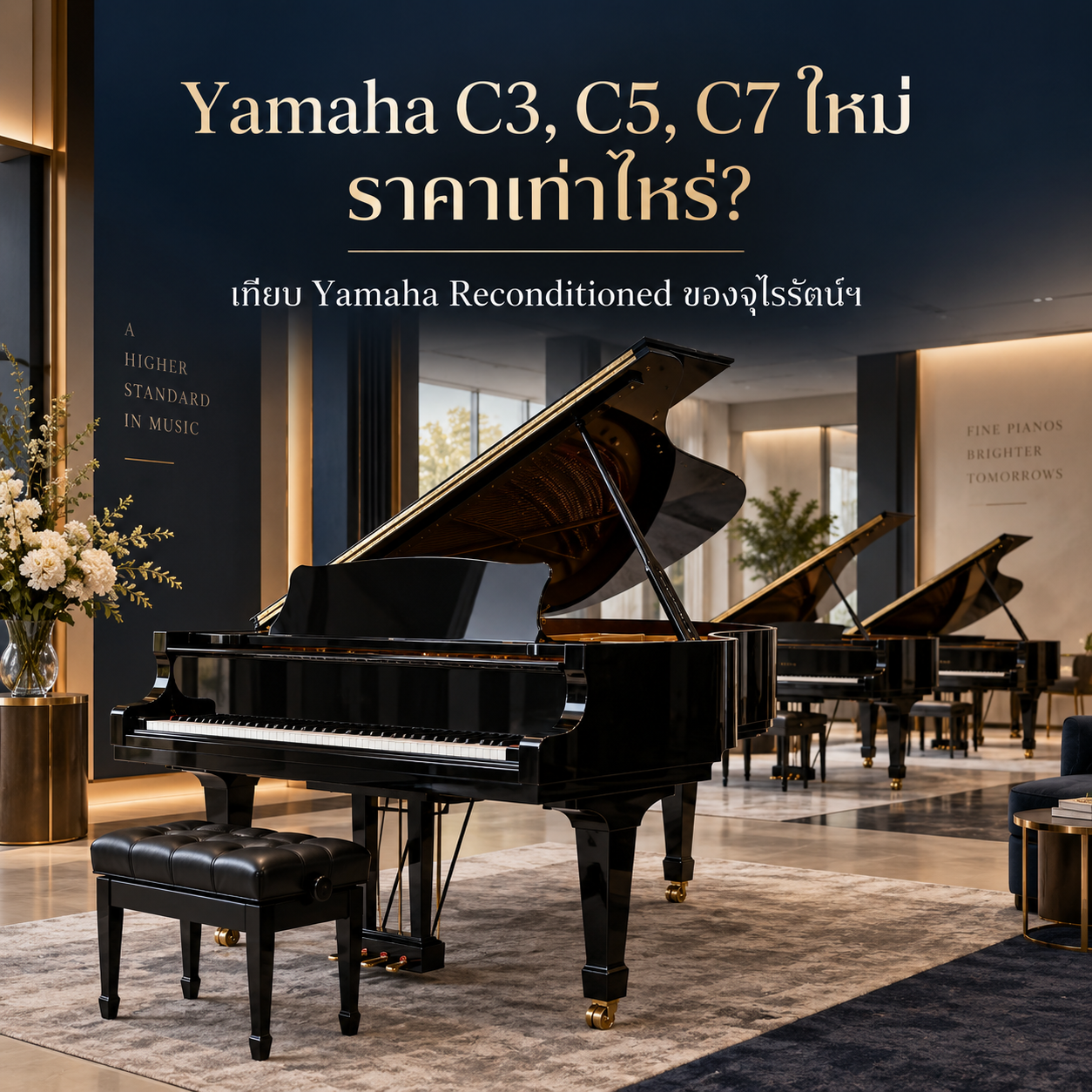
People looking for a Yamaha Grand Piano often start by comparing the C3, C5, and C7 because these three sizes suit clearly different uses. When comparing the price of a new Yamaha with a Churairat Reconditioned Yamaha, the same budget may allow you to choose a longer Grand Piano. It is therefore important to consider the instrument size, available space, and the actual condition and quality of each individual piano.

Compare new Yamaha piano prices in Thailand from entry-level Upright models through the C7X Grand Piano with new Classic pianos and Yamaha Reconditioned alternatives from Churairat Music. The same budget can lead to very different choices in piano type, size, country of manufacture, and long-term value, so buyers should compare more than just the starting price.
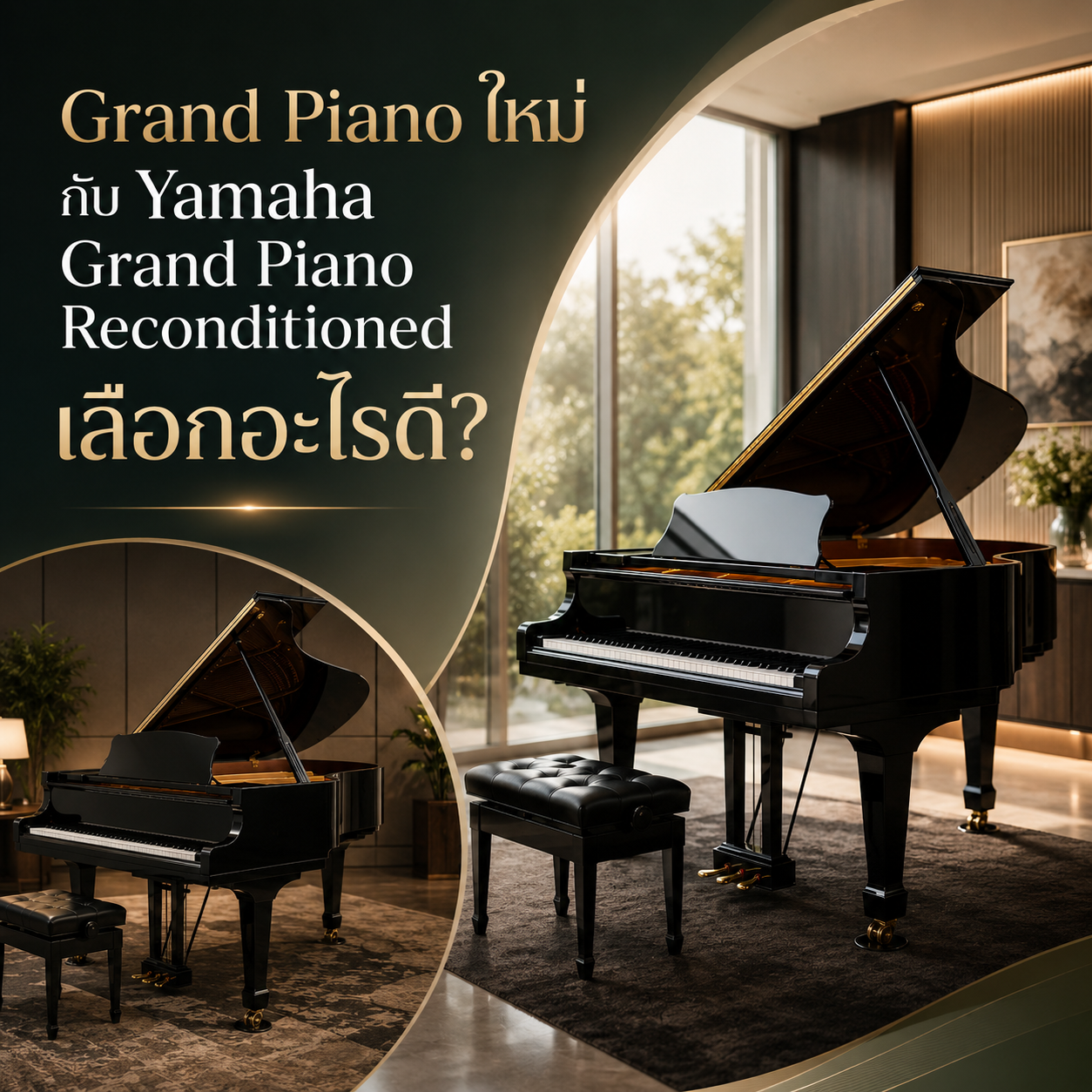
Choosing a Grand Piano does not have to begin with a simple decision between new and used. Each option suits a different budget, room size, and purpose. A new Grand Piano offers a clearly defined model and price, while a reconditioned Yamaha Grand Piano from Churairat Music can make it possible to choose a larger Yamaha Grand Piano at a lower budget. The best choice should consider budget, available space, a real playing test, and the reconditioning standard together.
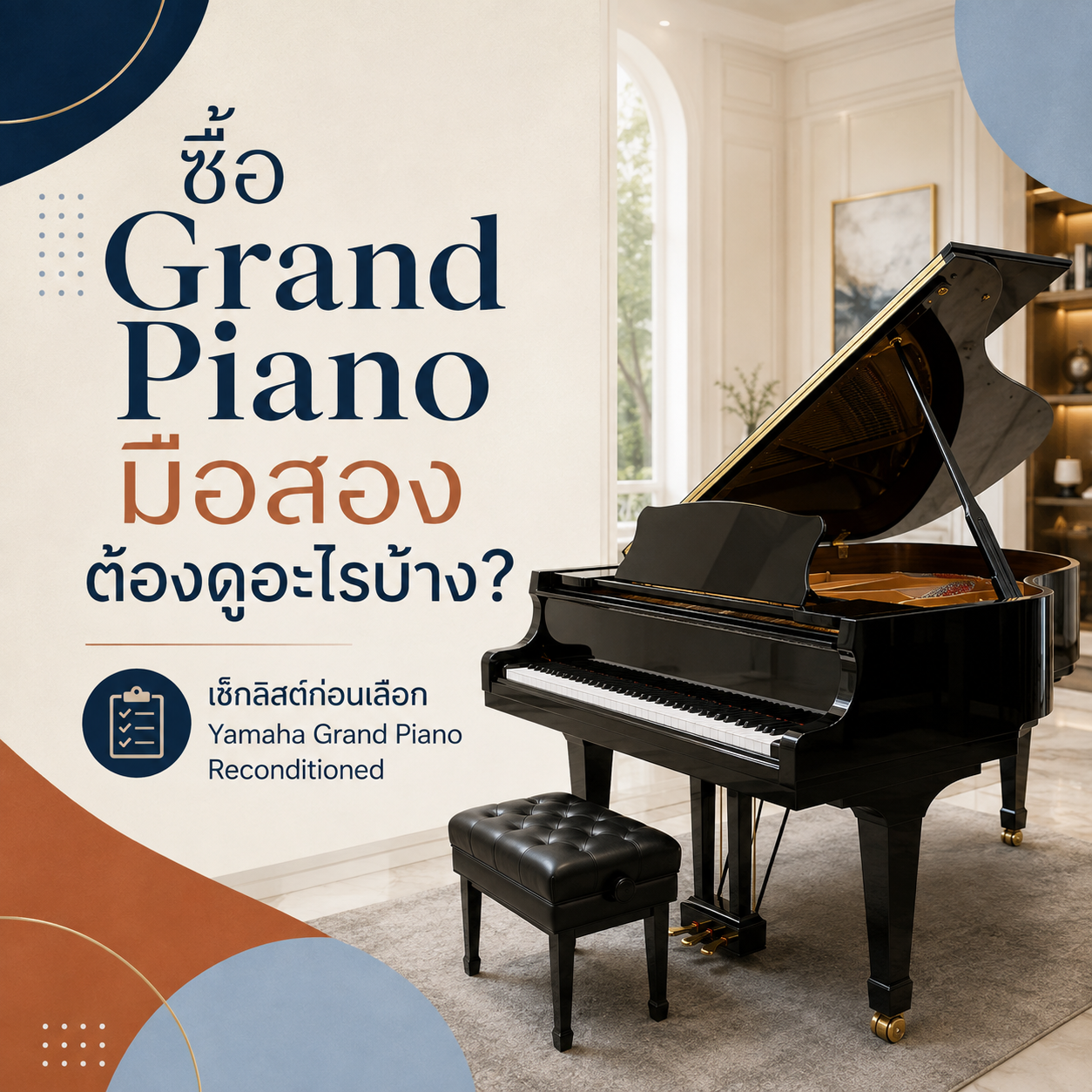
Buying a used Grand Piano should start with your budget, then the models and sizes that fit within it. After that, check the available space and moving route before trying the actual piano. Inspect the structure, soundboard, keyboard action, hammers, tonal balance, pedals and the quality of the reconditioning work before making your decision.
Buyers of used Grand Pianos often worry about the age of the instrument, but the year of manufacture should not be the only factor used to judge its quality. Each piano has experienced different levels of use, environments, and maintenance. What matters more is the piano’s foundation, its actual condition, and whether it has been carefully selected, inspected, and properly reconditioned before being offered for sale.
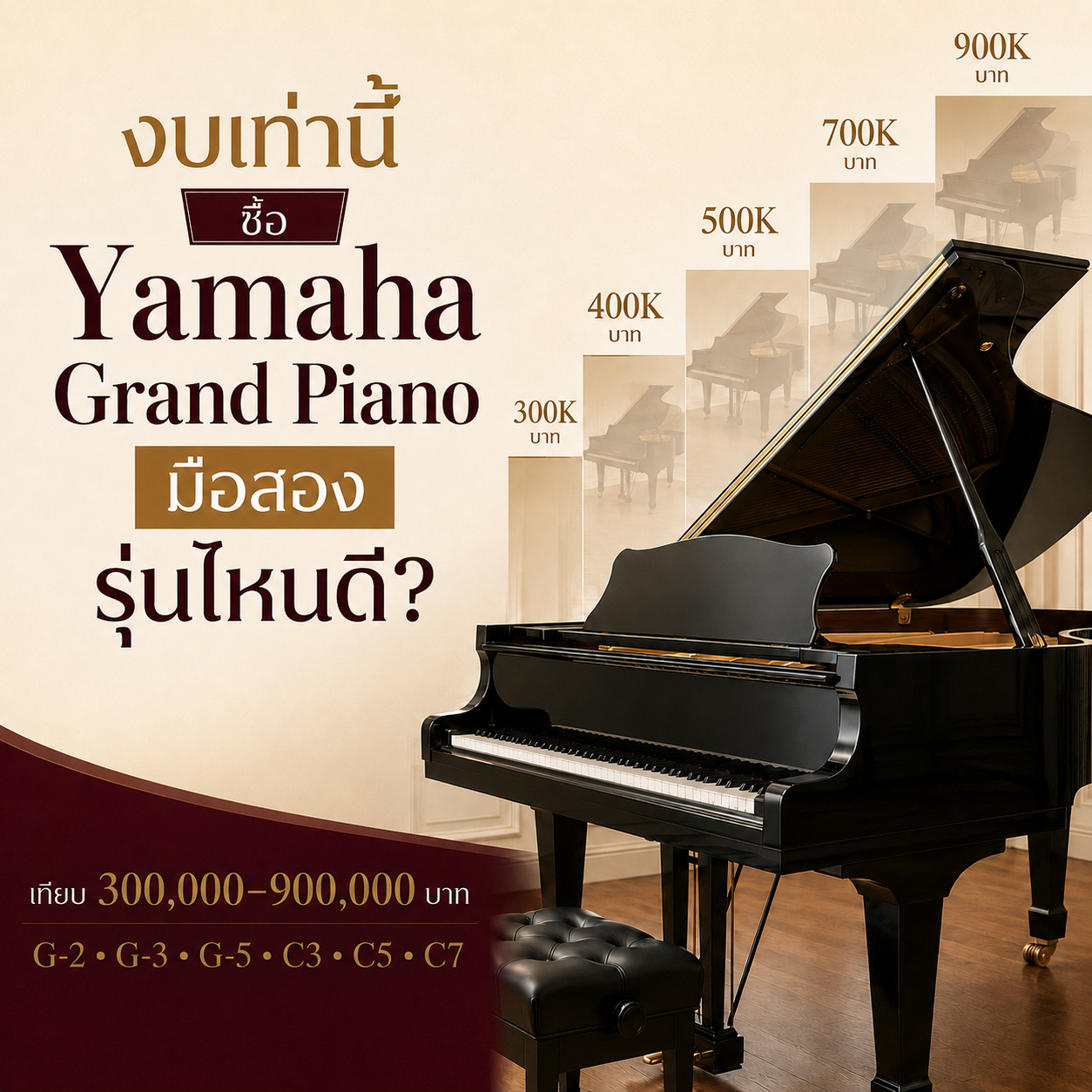
Budget is a useful starting point when choosing a used Yamaha Grand Piano, but price should not be the only deciding factor. This guide compares the G-2, G-3, G-5, C3, C5 and C7 across budgets from around THB 300,000 to 900,000, together with piano size, pedals, actual condition and room suitability.

Choosing a used Yamaha Grand Piano should begin with your budget, available space and intended use—not simply the largest or most expensive model. This guide compares the Yamaha G-2, G-3, G-5, C3, C5 and C7 to help you narrow down the right Grand Piano for your home, studio, school, practice room or event space.
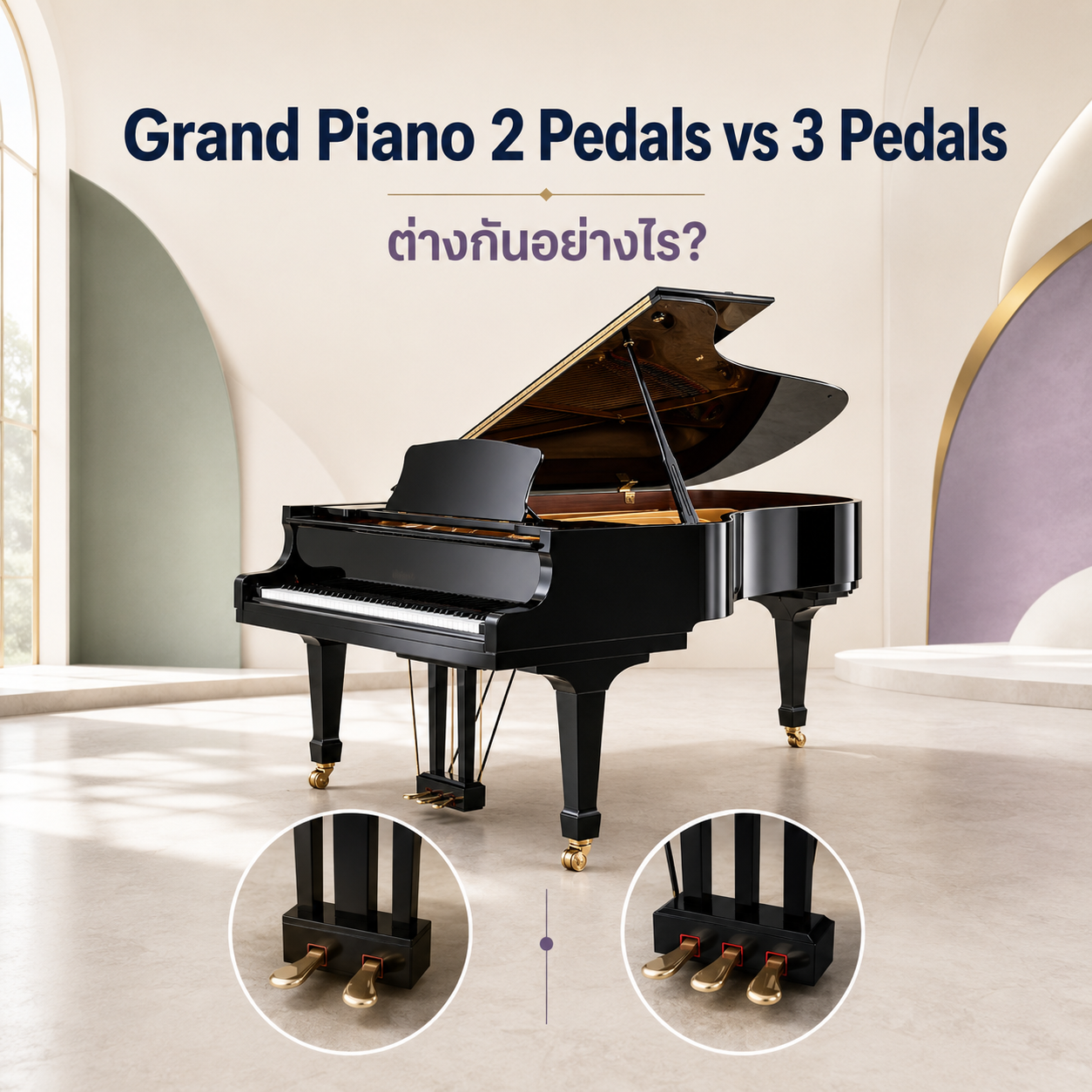
Why do some grand pianos have two pedals while others have three? The main difference is the Sostenuto Pedal found on 3-pedal models, which allows selected notes or chords to remain sustained. However, pedal count alone does not determine a piano’s quality. Buyers should also consider the instrument’s condition, touch, tonal balance, size, budget and intended use.
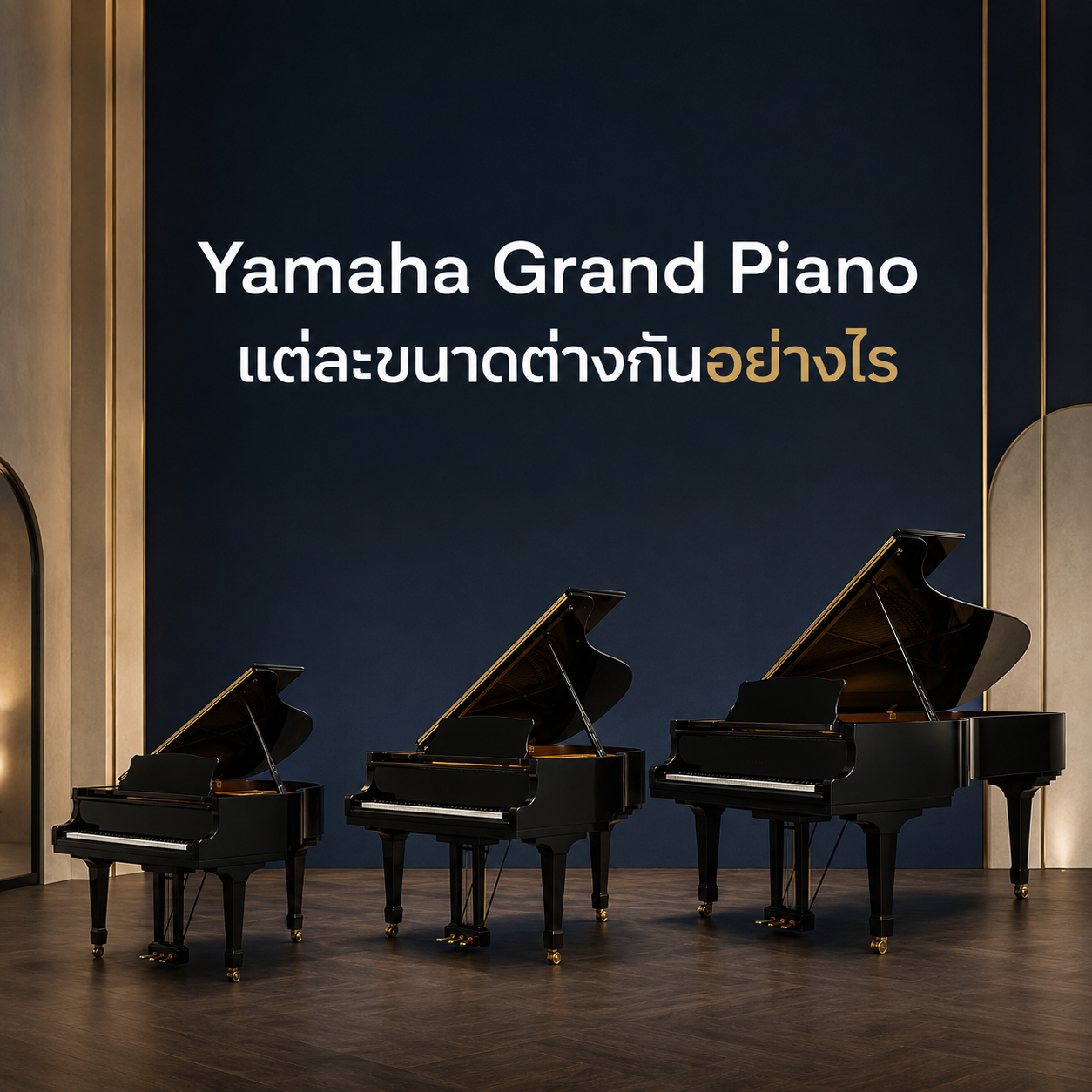
As a Yamaha grand piano becomes longer, its strings become longer and its soundboard area increases, creating the potential for greater projection and tonal dimension. However, a longer piano is not automatically the best choice for every home. This guide compares the GB1K, C1, C2, C3, C5, C6 and C7 by size, approximate budget and available buying options, including new Yamaha, new Classic and Churairat reconditioned Yamaha grand pianos.
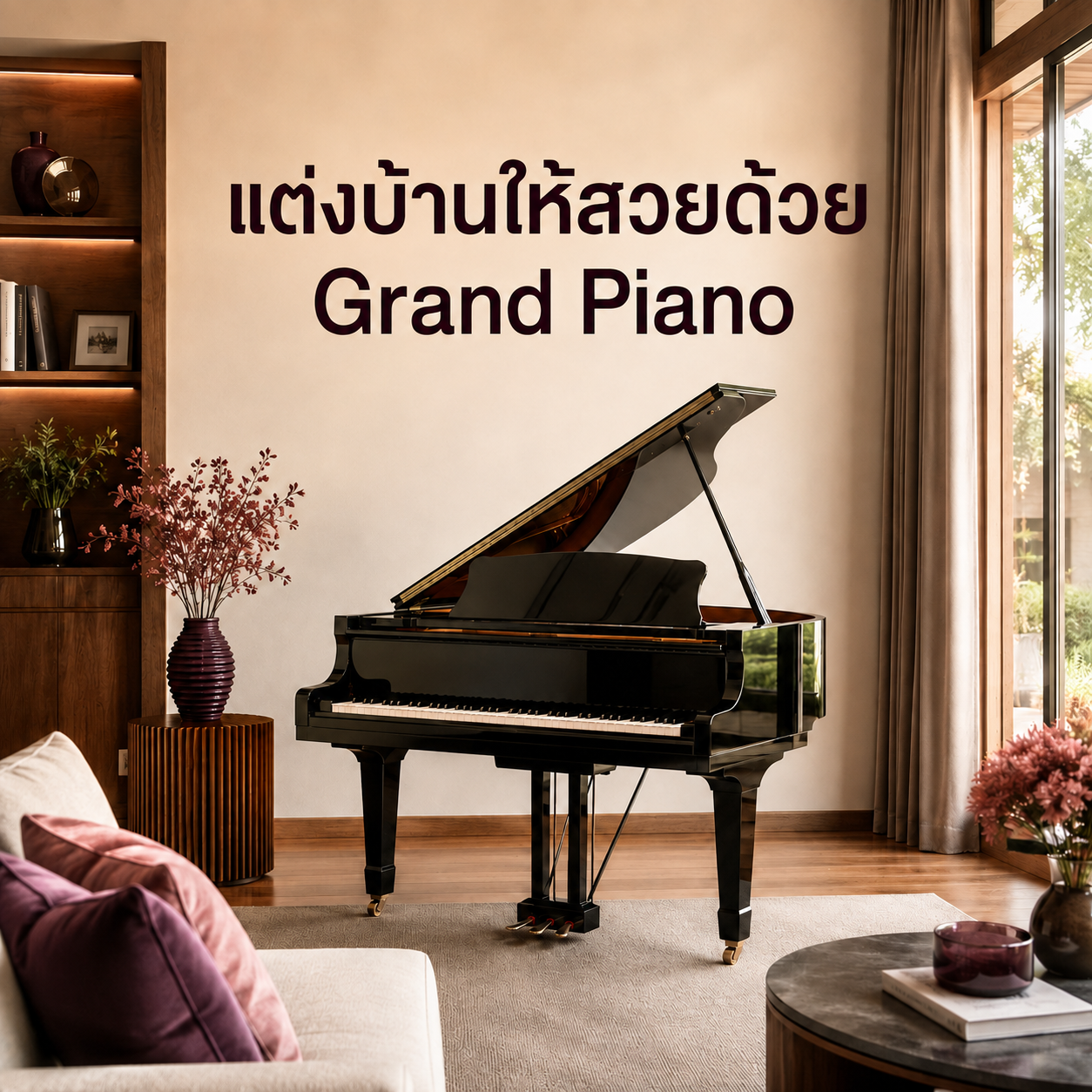
A grand piano is more than a musical instrument—it can become a striking focal point that adds character and elegance to a home, hotel or reception area. This article explores how to choose the right grand piano size and colour for different interior styles, featuring the compact 152 cm Classic GPX-152, available in black, walnut and pink at an approximate budget of THB 200,000.