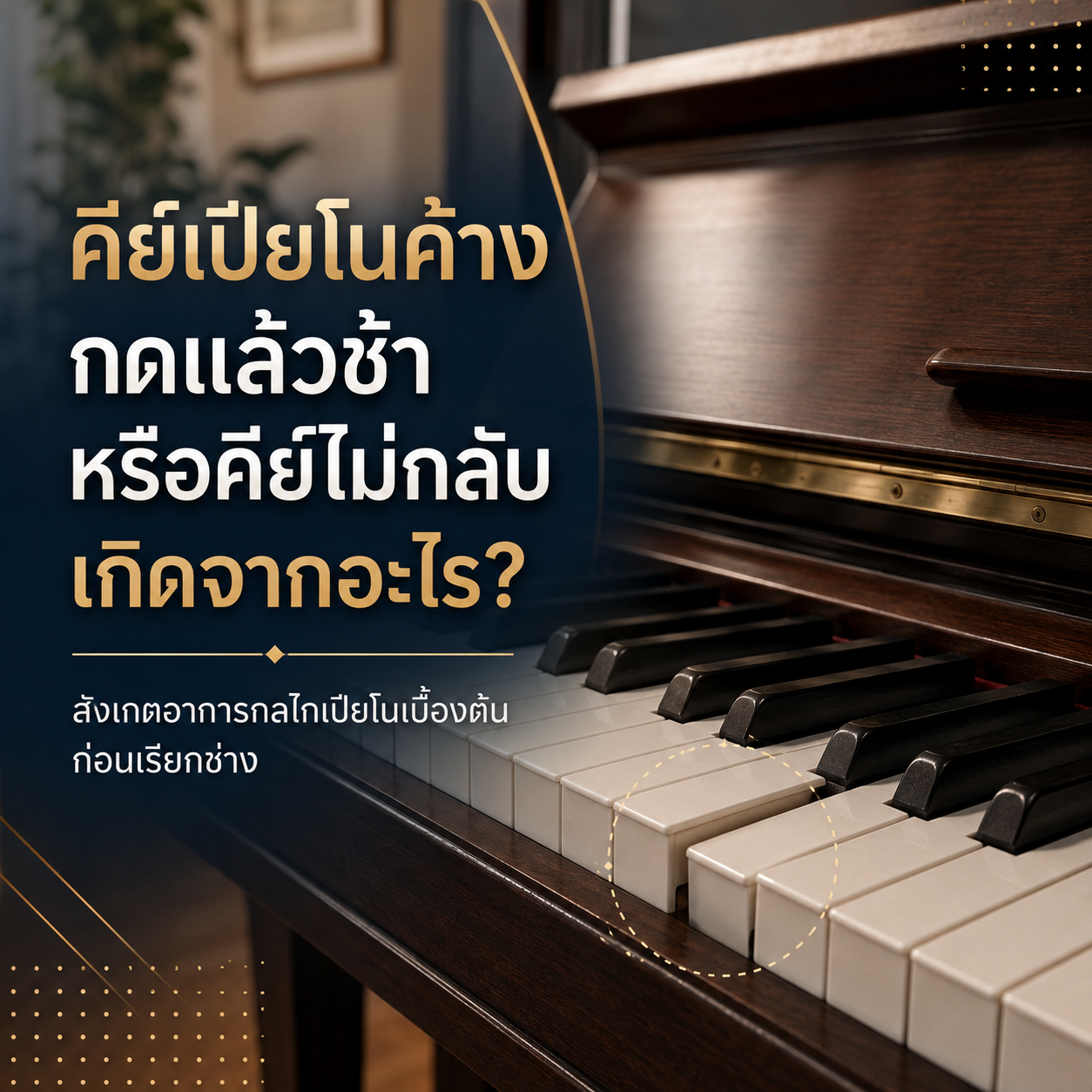
Why Do Piano Keys Stick, Respond Slowly, or Fail to Return?


PIANO SERVICE • PSI-003

Why Do Piano Keys Stick, Respond Slowly, or Fail to Return?

How to identify basic piano action problems before calling a technician

A piano key that sticks, returns slowly, or does not come back up to the same level as the surrounding keys should not be repeatedly forced down. The cause may be humidity, an internal action problem, dirt or foreign material, or parts that require adjustment. This article explains the basic causes and what information can help a technician inspect the problem more accurately.

QUICK ANSWER

Does a sticking piano key need tuning or repair?

If the problem is caused by a foreign object inside the piano, the technician may be able to remove it and continue with tuning as usual.

If the problem is caused by a mechanical fault in the action, the piano normally needs to be repaired first. In this case, the entire piano is usually transported to the workshop because after the repair, the technician needs to carry out Regulation, or adjustment of the relationship between the action components, so the keys and action respond correctly before the piano is returned to the customer. The piano can then be tuned at the customer's home as usual.

SYMPTOM CHECK

What is the difference between a sticking key, a slow key, and a key that does not sound properly?
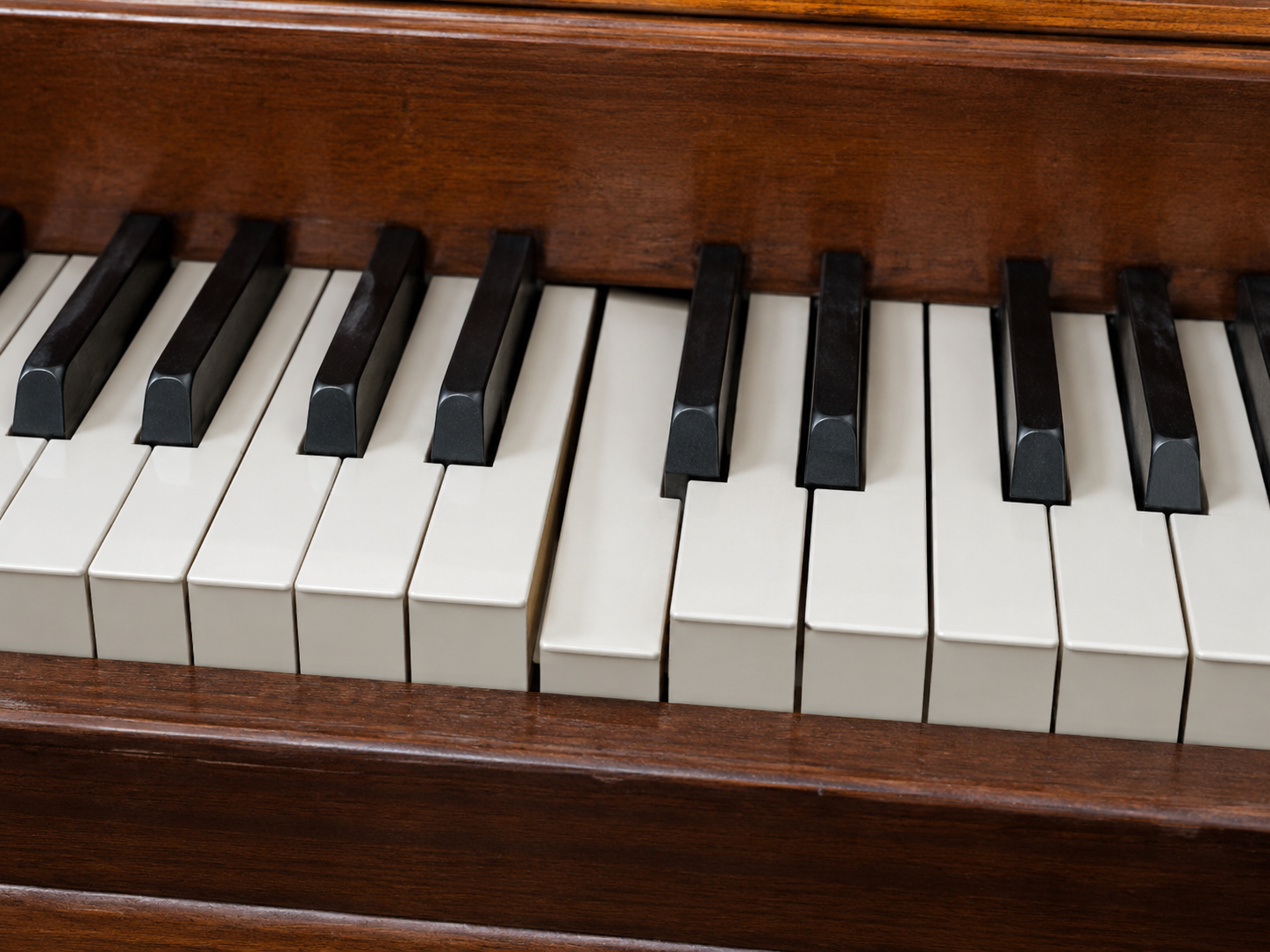
Sticking key
The key does not return, or remains lower than the neighbouring keys.
What to do: Stop repeatedly pressing the key and note which key is affected.
Slow-returning key
The key returns, but more slowly than the others, or cannot repeat quickly.
What to do: Contact the team and describe the symptom and the position of the affected key.
Key produces no sound or a weak sound
The key returns normally, but no sound is produced or the volume is noticeably different.
What to do: Contact the team so a technician can be scheduled to inspect the piano.
 
COMMON CAUSES

Common causes of sticking or slow piano keys

High humidity
Humidity can affect wooden parts and felt inside the action, causing them to swell, change condition, or become less free-moving.
Dirt, debris, or insects
Foreign material may interfere with the movement of the keys or action components.
Action parts have shifted out of adjustment
This may happen after continued use, impact, or moving the piano.
Hammer and related parts are not working together correctly
This can prevent the key from returning completely or responding normally.
The piano has not been inspected for a long time
Adjustment points or some materials may deteriorate over time and affect how the keys respond.
Sticking piano key that does not return to the same level as surrounding keys
BEFORE CALLING A TECHNICIAN

What can the piano owner check first?
Does the problem affect one key, several neighbouring keys, or a large section of the keyboard?
Does the key stick all the time, or only at certain times of day, such as after the air conditioner is turned on or off?
Is there rubbing, knocking, or any unusual mechanical sound at the same time?
Is the piano in a humid area, is there mould or a musty smell, or has the piano recently been moved to another room?
Do not: apply oil or lubricant spray, or try to force or pry the key upward yourself. This may damage internal parts or make it more difficult for the technician to identify the actual cause.
 
TECHNICIAN INSPECTION

What will a technician inspect when piano keys have a problem?

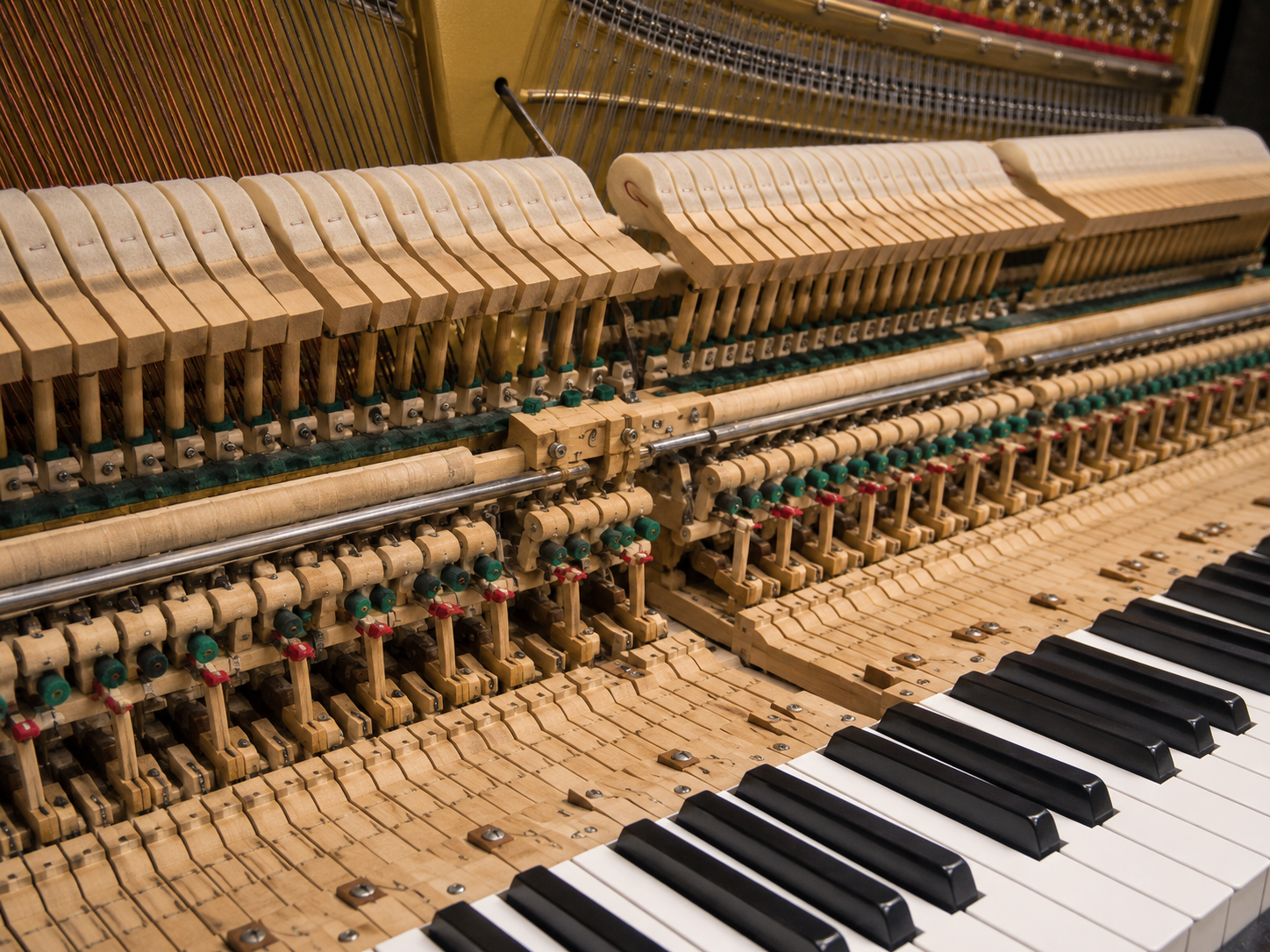
The technician will inspect the movement of the keys and the action components that work together with them. This includes the condition of felt, pivot points, hammers, and parts that may be binding or out of adjustment. The technician will also consider humidity and the environment where the piano is installed to determine whether the issue is caused by a local obstruction or by humidity and the overall condition of the action.

Obstruction or isolated problem
For example, if a foreign object has fallen between the keys, the technician may be able to remove it on site and continue with tuning.
Mechanical action problem
The entire piano is normally transported to the workshop for repair. After repair, Regulation of the complete action is carried out before the piano is returned to the customer.
Internal piano action and components related to key movement
CALL FIRST

Can I call and describe the problem first?

Yes. Customers can contact the team and describe the symptoms they have noticed, such as sticking keys, stiff action, a pedal that is not working correctly, or unusual sounds. The team will ask for basic information and arrange an appointment for a technician to inspect the piano.

Photos or videos can be sent if convenient, but they are not required. A repair recommendation and quotation can only be confirmed after a technician has inspected the actual piano.
CHURAIRAT PIANO SERVICE

How does Churairat Music inspect and repair piano key problems?

Churairat Music has more than 37 years of experience in piano care. Our team will listen to the symptoms and ask for basic information to help assess the situation. However, whether the problem is caused by a foreign object or by a mechanical fault in the action can only be confirmed after a technician inspects the actual piano.
Main service areas and nearby provinces
Bangkok, Chiang Mai, Phuket, and Khon Kaen. When a customer contacts us, the team can advise which service appointments are currently available, so the customer can choose a suitable date and time and reserve a piano inspection or repair appointment in advance.
Areas outside our main service locations
Customers can contact the team to check travel feasibility and service availability first. Service depends on the route and the team's travel schedule during each period.
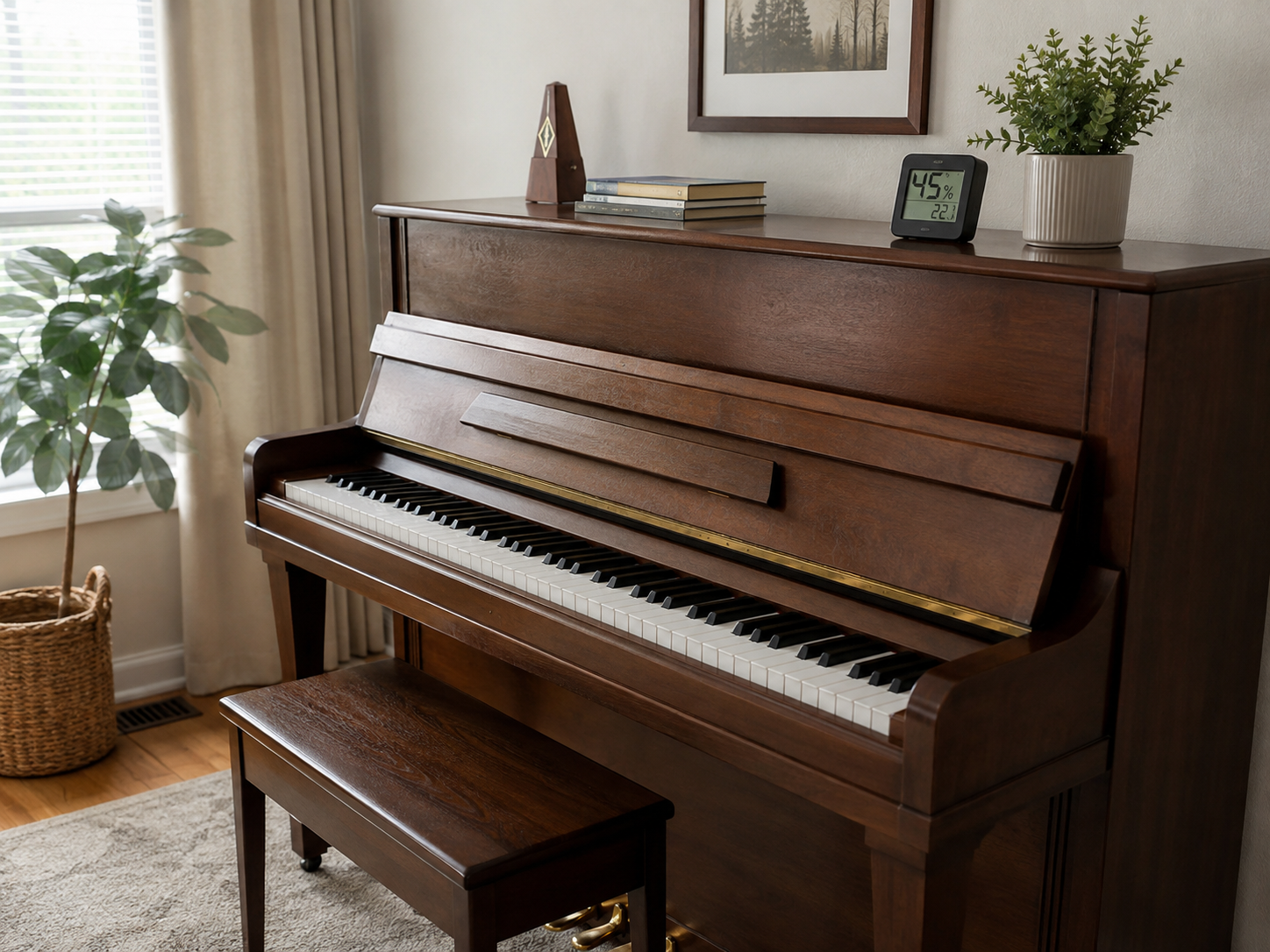
Acoustic piano placed in a suitable indoor environment
 
SERVICE & APPOINTMENT

Ask about service charges or book a piano inspection

Piano repair and maintenance charges, as well as service conditions, may vary depending on the brand, model, serial number, symptom, condition of the piano, and service location. We therefore recommend describing the problem to our team and having the piano inspected by a technician before the repair method and quotation are confirmed.

CONTACT CHURAIRAT MUSIC

Ask about piano key problems or book an inspection via LINE

If your piano has sticking keys, slow-returning keys, keys that do not return properly, or other action problems, contact Churairat Music via LINE to describe the symptoms, check service availability, and arrange for a technician to inspect the piano.

FAQ

Frequently Asked Questions

Q

Will tuning alone fix a sticking piano key?

If a foreign object has fallen between the keys, the technician may be able to remove it and continue with tuning. However, if the problem is caused by a mechanical fault in the action, the entire piano is normally transported to the workshop for repair. Afterwards, Regulation of the complete action must be carried out before the piano is returned to the customer. The piano can then be tuned at the customer's home as usual.

Q

Can humidity cause piano keys to return slowly?

Yes. Humidity can cause wooden parts and felt in the action to become less free-moving, especially when the piano is kept in a humid area or where mould is present.

Q

Should I push a sticking piano key back up myself?

We do not recommend forcing or prying the key upward. Doing so may cause further damage to the action. It is better to contact the team so a technician can be scheduled to inspect the actual piano.

Q

Can I call and describe the piano problem first?

Yes. Customers can contact the team and describe the symptoms. Photos or videos can also be sent if convenient, but they are not required. The technician must inspect the actual piano before the repair approach and quotation can be confirmed.


SUMMARY

Do not keep forcing a sticking key — identify the cause before repair

A sticking, slow-returning, or non-returning key may be caused by humidity, dirt, misaligned action parts, or deterioration over time. The piano owner can note the affected key, when the symptom occurs, and whether there are unusual sounds. However, oil, lubricant spray, or forcing the key upward should be avoided. The actual piano must be inspected by a technician before the repair method can be confirmed.

KEEP READING

Related Articles

PSI-001
How Often Should a Piano Be Tuned — Every 6 Months, Once a Year, or When?
PSI-002
Out-of-Tune Piano: Does It Need Tuning or Repair?
PSI-006
How Do Humidity, Mould, and Heat Affect a Piano?
PMV-001
When Should a Piano Be Tuned After Moving?
PSI-009
Why Is My Piano Making Unusual Mechanical Noises?