A Piano Has Not Been Played for Years: What Should Be Checked Before Using It Again?
A Piano Has Not Been Played for Years: What Should Be Checked Before Using It Again?
Before using it again, try playing the piano gently and then contact the team to arrange an inspection.
A piano that has been unused for years can be in very different condition depending on where it was kept and how it was cared for. Trying it carefully first shows whether the keys, action, and pedals still work normally, before deciding whether to tune it or have a technician inspect it.
What Should Be Done First With a Piano That Has Not Been Played for a Long Time?
Start by pressing the keys and using the pedals with a light touch to observe whether the mechanisms work normally and whether the pitch has drifted. If the piano responds normally at this stage, try the keys and pedals with your usual touch and weight to check that it still responds and functions as expected.
If you find sticking keys, a stiff action, abnormal pedal operation, unusual sounds, a musty smell, or mold spots, call the team with the details so a technician can be arranged to inspect the actual piano. The technician will determine the repair items and the number of days required, after which the company will summarize the approach and provide a quotation before any work begins.
The Order to Follow Before Playing Again
Work through one step at a time, and stop as soon as you notice anything unusual.
Try the Keys and Pedals With a Light Touch
Observe whether the mechanisms work normally and whether the pitch has drifted. There is no need to press firmly yet.
Play With Your Normal Touch
If the first step went well, use the keys and pedals with your usual hand and foot weight to check that the piano still responds and functions as expected.
Contact the Team to Arrange an Inspection or Tuning
If everything is normal and you want to start using the piano again, contact the team to arrange a tuning appointment. Please mention in advance that the piano has been unused for a long time.
If the technician inspects the actual piano and finds that it can be tuned, the tuning will be carried out and the piano can be used again as normal. If it cannot be tuned, the technician will determine the repair items and the number of days required, after which the company will summarize the approach and provide a quotation.
Which Symptoms Deserve Special Attention Before Playing Again?
Compare the symptom, what may be behind it, and what to do next.
Sticking, slow, or non-returning keys
Humidity, dust, or changes in the condition of action parts
Avoid forcing the keys, then call the team with the details so a technician can be arranged to inspect the actual piano.
Severely out of tune, or some notes sound unclear
Pitch has changed over a long period without care, or another issue is present as well
Call the team with the details so a technician can inspect the condition before any tuning approach is decided.
Musty smell, mold spots, or rust
Humidity that has accumulated while the piano was not in use
Call the team and describe where you found it and the condition of the room so a technician can be arranged to inspect the actual condition.
Stiff or noisy pedals, or pedals not working properly
The pedal components or internal mechanism need to be checked
Call the team and report that the pedals are not working normally so a technician can be arranged to inspect the actual piano.
Why Should the Piano Not Be Tuned Straight Away?
Tuning means adjusting the tension of the strings to bring the pitch back to standard. But if there are sticking keys, a stiff action, humidity, or parts that need repair, tuning alone will not make the piano playable.
A technician should inspect the actual piano first to determine whether it can still be tuned or whether repair is needed beforehand.
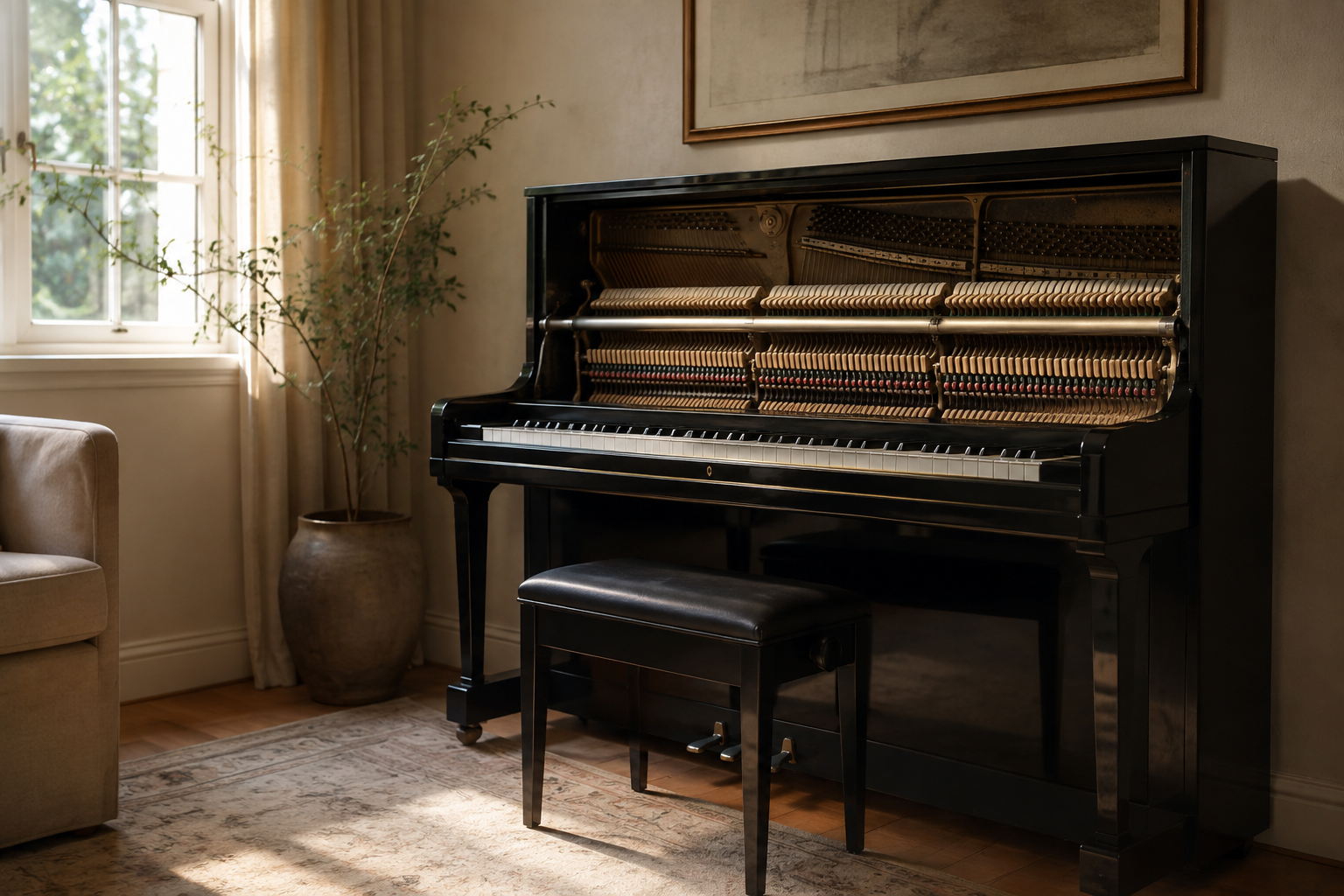
How Can You Check the Piano Yourself Without Causing Damage?
This much is enough to describe the situation to the team.
Look for Signs of Moisture
Open the key lid and look for dust, a musty smell, mold spots, or traces of moisture, without wiping the piano with a damp cloth.
Press Every Key Gently
Notice whether each key returns to its normal position.
Try the Pedals
Listen for unusual noises or movement that catches.
Report Anything You Find
The team will arrange for a technician to inspect the actual piano, determine the repair items and the number of days required, after which the company will summarize the approach and provide a quotation.
What Will a Technician Check on a Piano That Has Been Unused for Years?
Assessed from the instrument itself, not from a described symptom alone.
Keys, Action, Felt, Hammers, and Pedals
Checked for stiffness, wear, or accumulated moisture.
Strings, Tuning Pins, and Pitch Stability
To determine whether the piano can still be tuned or needs repair first.
Exterior Surfaces and Surroundings
Mold spots, musty odors, and the environment where the piano is kept.
Structure and Related Symptoms
To set the order of repair, regulation, and tuning work that suits the instrument.
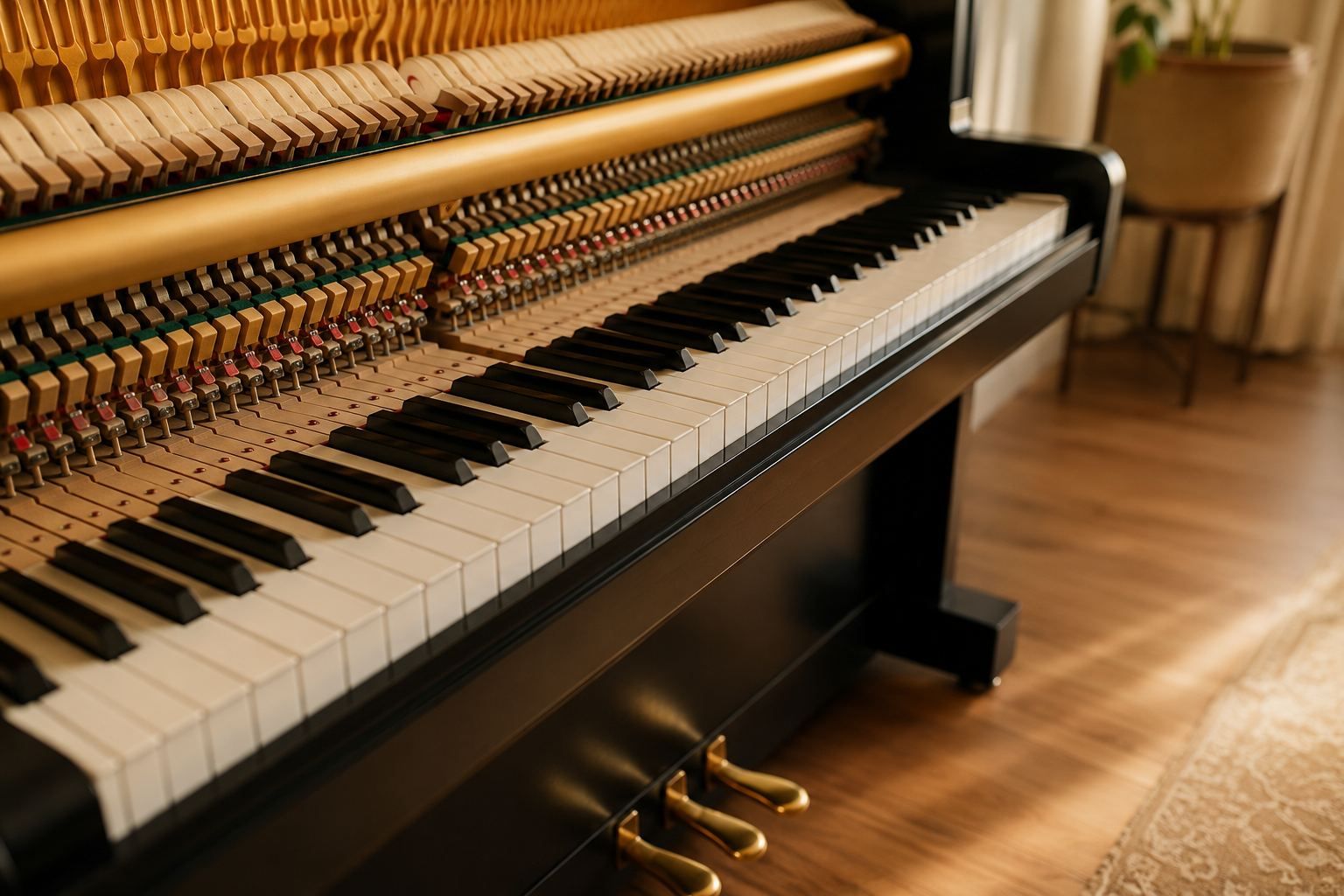
Ask About an Inspection or Arrange Piano Care
Describe what you have found to the Churairat Music team so a technician can be arranged to inspect the actual piano and determine whether it is ready to be tuned or should be repaired first.
Frequently Asked Questions
A Piano Has Not Been Played for 5 Years. Can It Still Be Tuned and Used Again?
Does a Piano Always Need Repair Before It Can Be Tuned?
Can the Piano Be Left Open to Air It Out?
Can I Call the Team and Describe the Symptoms First?
Related Articles and Pages
Has the Piano at Home Been Unused for Years, and You Want to Play It Again?
Describe the initial symptoms to the Churairat Music team so a technician can be arranged to inspect the actual piano. We will then summarize the right care, repair, or tuning approach for that instrument.
Contact Us via LINE