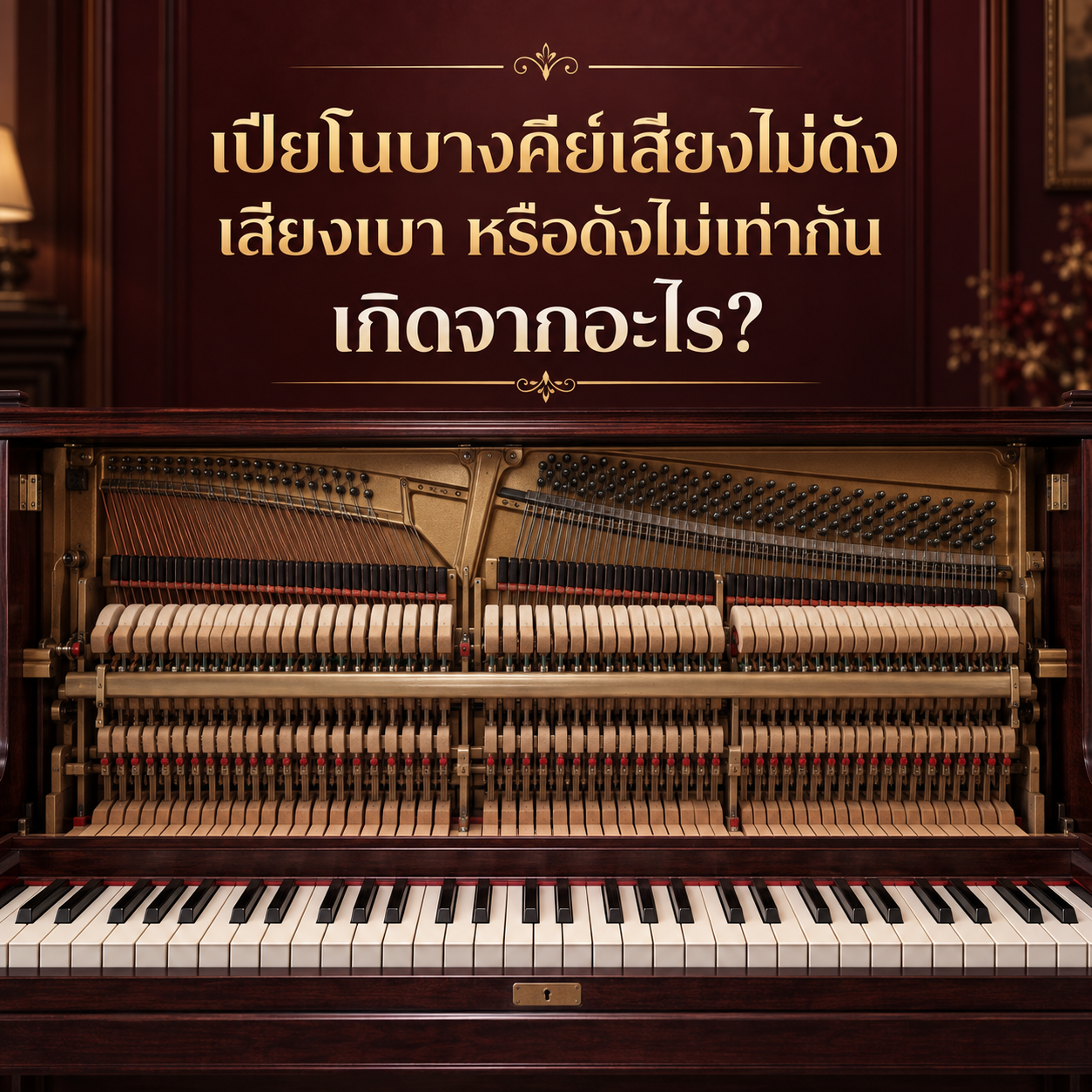
Why Do Some Piano Keys Produce No Sound, Sound Too Quiet, or Have Uneven Volume?
Why Do Some Piano Keys Produce No Sound, Sound Too Quiet, or Have Uneven Volume?
Understanding abnormal sound from individual keys and what a technician needs to inspect
If pressing a piano key produces no sound, sounds quieter than nearby keys, or the volume varies noticeably from key to key, the problem should not automatically be assumed to be a tuning issue. The cause may involve the action mechanism, hammers, strings, or specific internal components.
Can a Piano Key With No Sound or Low Volume Be Repaired?
In many cases, the problem can be repaired or adjusted. However, a technician needs to inspect the piano on site to determine whether the issue affects only one key, several keys in the same range, or the entire piano. The technician will also check whether the affected keys move down and return normally. Tuning can correct pitch, but it cannot repair a mechanical problem that causes a key to produce no sound or unusually low volume.
What Could Different Symptoms Indicate?
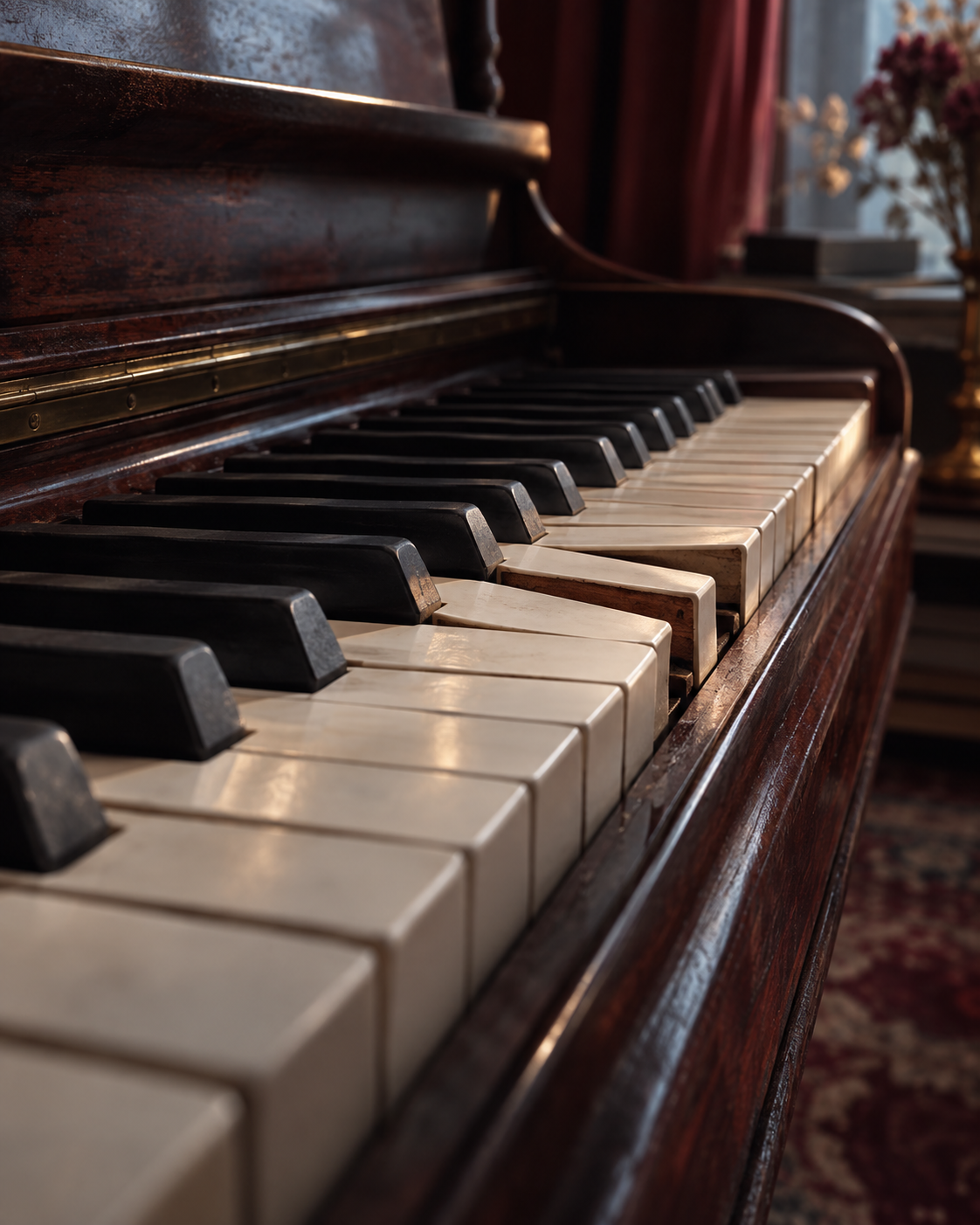
Pressing a Key Produces No Sound
The action that transfers force to the hammer, the string, or another related component may need to be inspected.
One Key Sounds Quieter Than Nearby Keys
The issue may be related to the movement of the action, the hammer, or uneven regulation.
Several Keys Have Uneven Volume
The overall action and regulation should be checked to determine why the response is not balanced.
The Sound Is Unusual or Cuts In and Out
This may involve the action, hammer, string, or other related components. The actual piano should therefore be inspected by a technician.
Can Piano Tuning Fix a Key That Produces No Sound?
If the key still transfers force correctly to the hammer and all components are working normally, but the pitch is incorrect, tuning may be part of the required service.
However, if pressing the key produces no sound, unusually low volume, or there is also a mechanical problem, the technician must inspect the piano on site first. Only then can it be determined whether repair or action regulation should be completed before tuning.
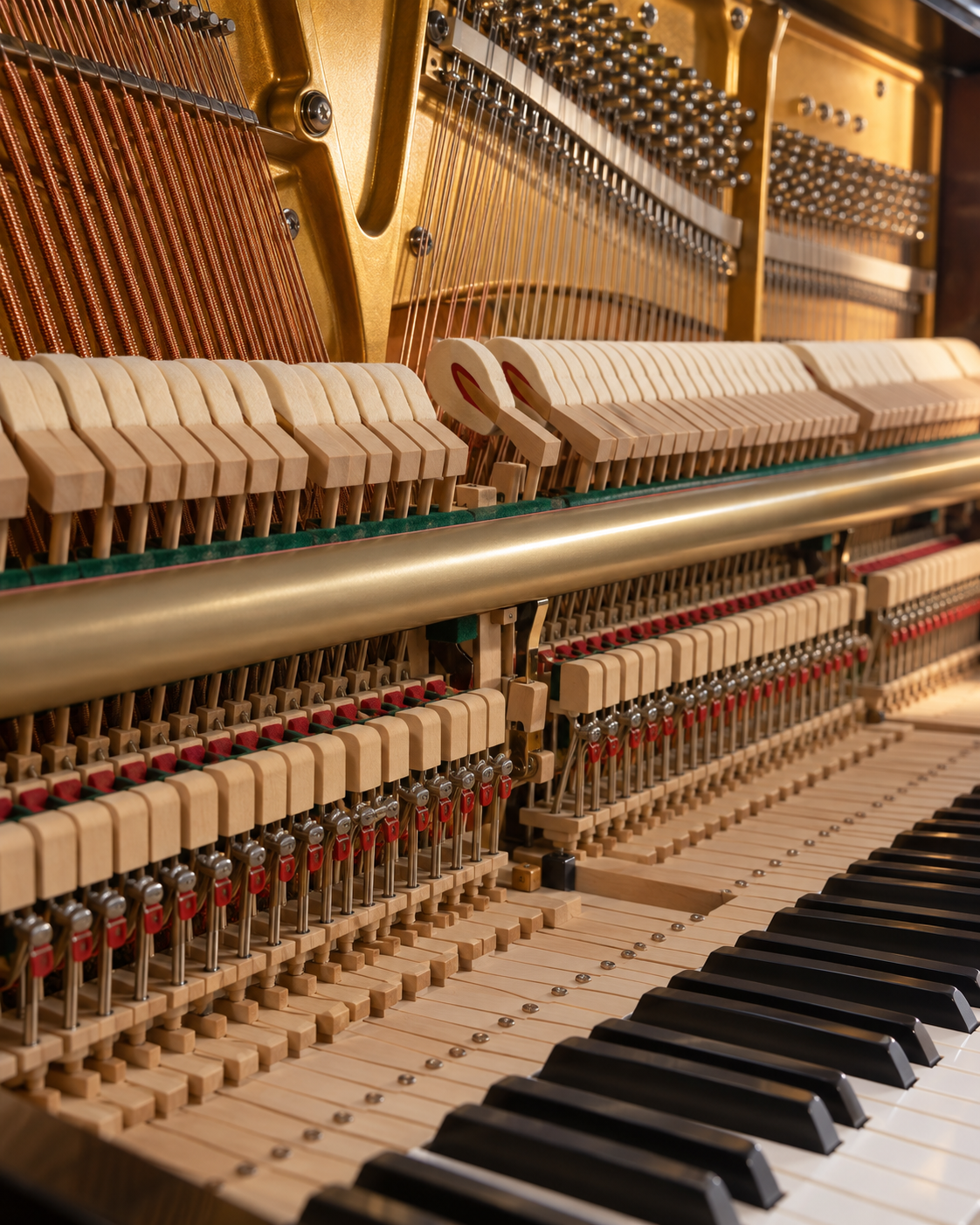
What Will the Technician Check?
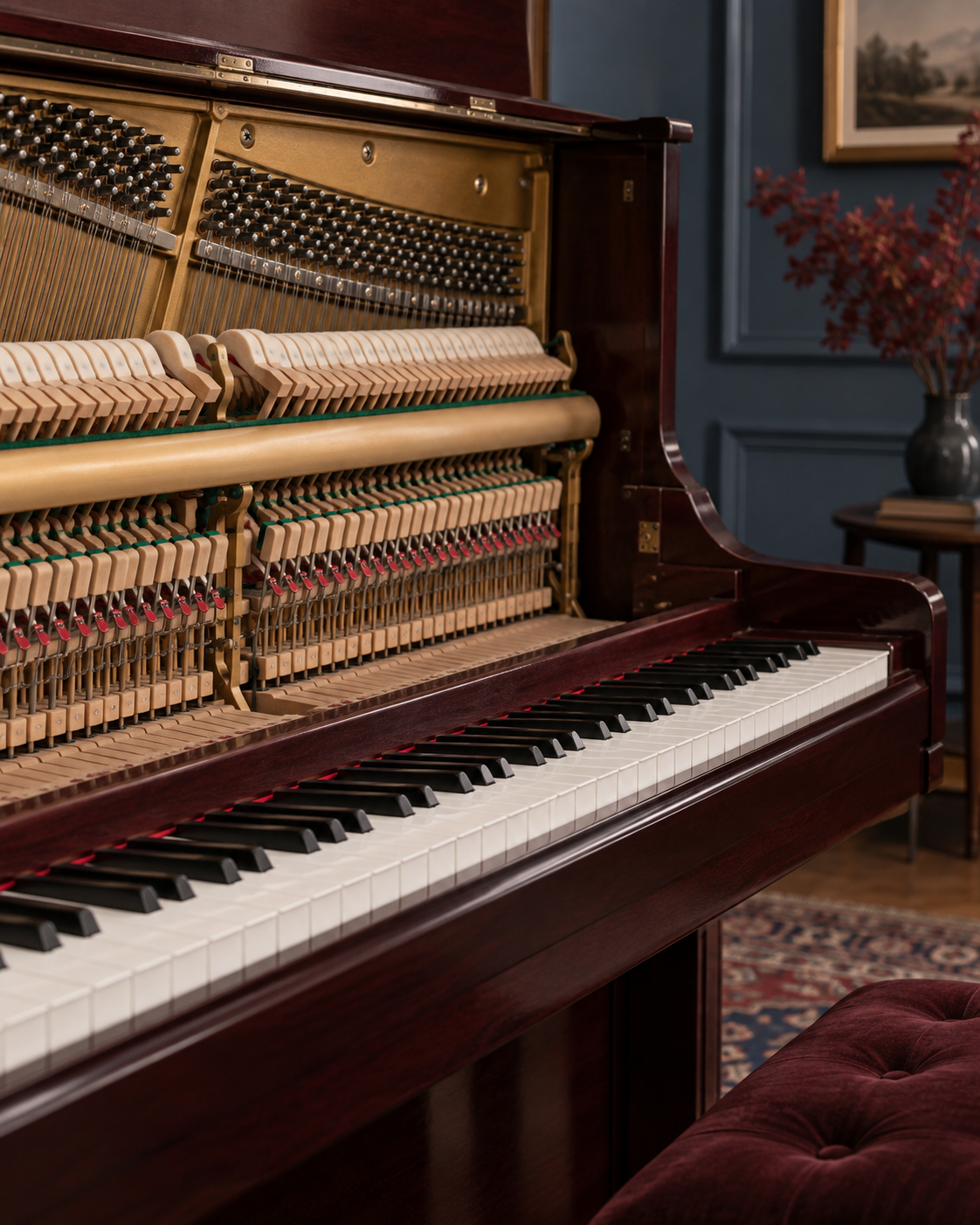
What Should the Piano Owner Do — and Avoid Doing?
Tell the team which key or range of keys is affected and describe the symptoms so an appropriate technician appointment can be arranged.
Let the team know whether the problem has existed for a long time or appeared recently, and whether any object may have fallen near the keyboard.
Do not pry the keys, apply oil, or spray chemicals into the action mechanism.
Frequently Asked Questions
The Key Moves Normally but Sounds Too Quiet. What Could Cause This?
Possible causes include the action mechanism, hammer, or uneven regulation. A technician should inspect the actual symptom to determine the cause.
If Only One Key Produces No Sound, Does the Piano Need a Major Repair?
Not necessarily. In many cases, the problem is limited to a specific area, but the technician should also inspect the nearby keys and related action components.
Contact the Team to Arrange a Piano Inspection
Describing the symptoms by phone helps the team arrange an appropriate technician appointment. However, the repair items, repair method, cost, and repair time can only be confirmed after the technician has inspected the actual piano on site. The team can then prepare a quotation based on the inspection.
Service Areas
For customers in the main service areas and nearby provinces — Bangkok, Chiang Mai, Phuket, and Khon Kaen — the team can check available service appointments when you contact us.
For locations outside the main service areas, customers can contact the team so we can check travel feasibility and appointment availability first. Service depends on the team's route and travel schedule during each period.
Related Articles
Some Keys Produce No Sound, Sound Too Quiet, or Have Uneven Volume?
Tell the Churairat Music team which key or range of keys is affected, together with the piano brand, model, serial number, and location. We can then arrange for a technician to inspect the actual piano and assess the likely cause.
Contact Us via LINE