


บริการเปียโน / Piano Service
บริการเปียโน / Piano Service

Before booking a tuning, check whether the piano still plays normally. If any keys, action parts, or pedals are sticking, a technician has to inspect the piano on site first and report back to the team. The team is the one who tells the customer the repair items, the cost, and the time involved.

A piano that has been unused for years can be in very different condition depending on where it was kept and how it was cared for. Trying it carefully first shows whether the keys, action, and pedals still work normally, before deciding whether to tune it or have a technician inspect it.
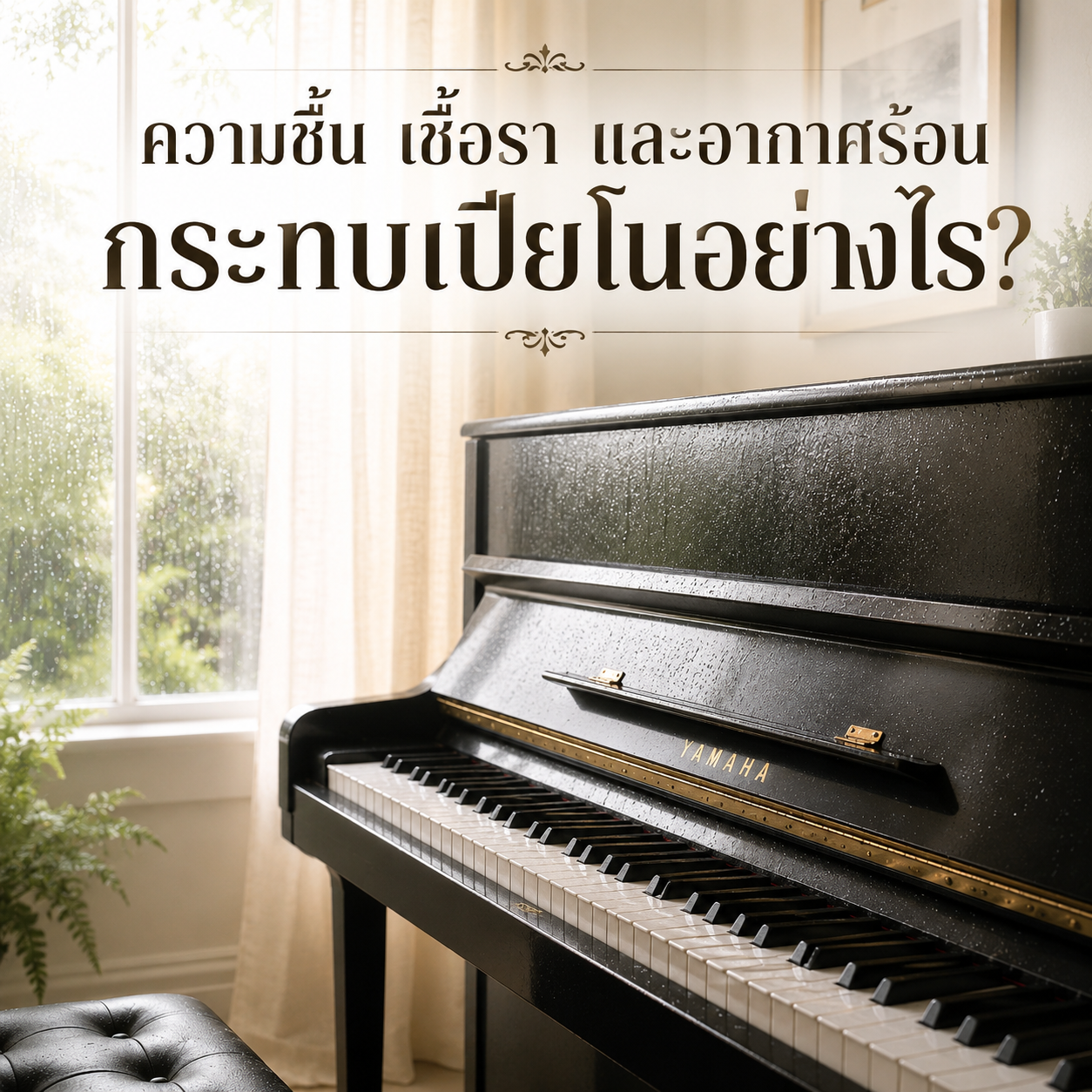
A piano contains wood, metal, felt, and mechanical components working together. Humidity, mold, and changing room temperatures can therefore affect a piano in ways that may not be obvious from the outside. Early signs may include a musty smell, visible mold spots, sluggish or sticking keys, or changes in pitch. If left unresolved, the problem may spread to the piano action and exterior surfaces. Recognizing these signs early and maintaining a stable room environment can help reduce the risk of further damage.
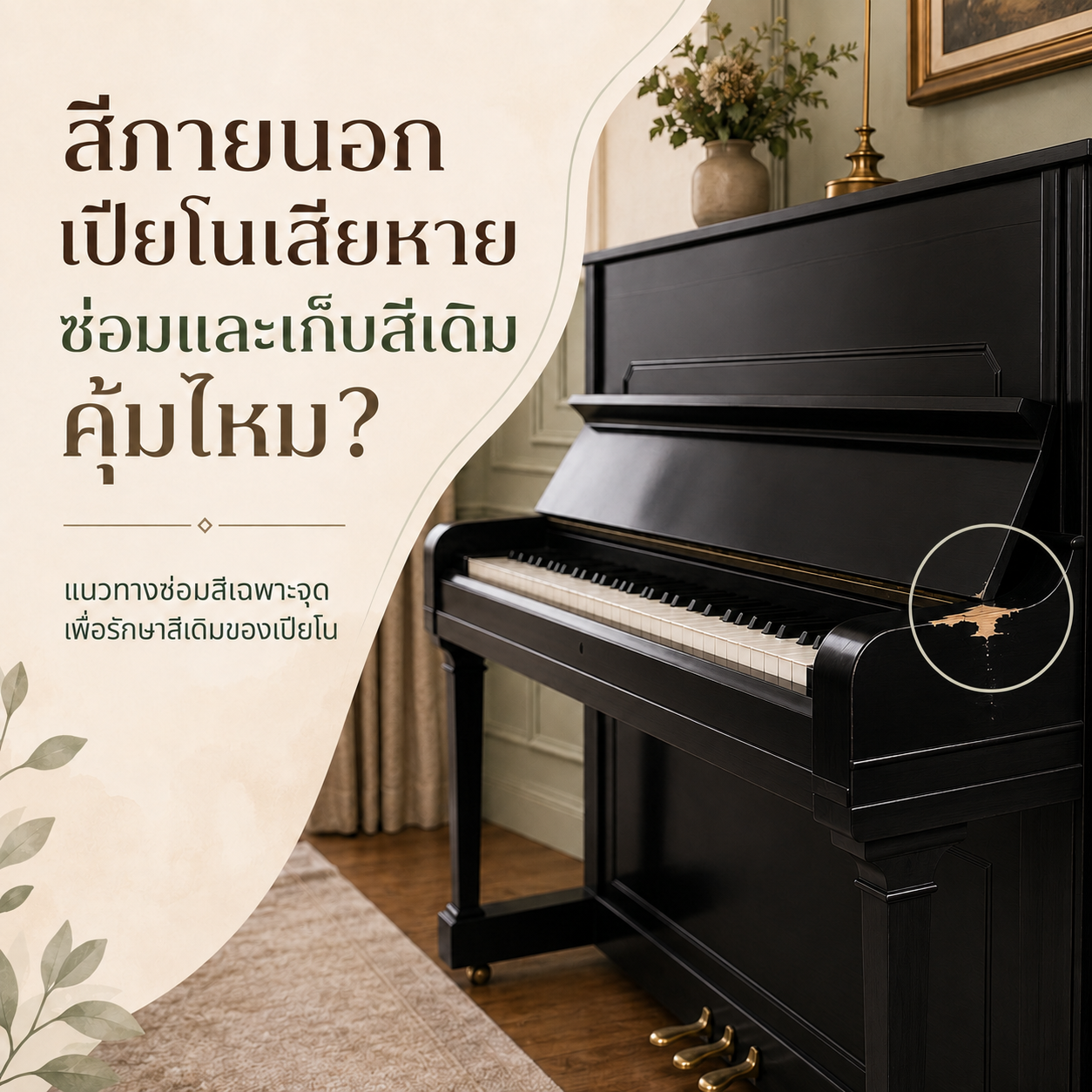
When a piano’s exterior has scratches, impact marks, peeling finish, or faded areas, spot repair may be possible without refinishing the entire piano. The most suitable approach depends on the location, size, and type of damage, as well as the level of finish quality required.

An old piano is not automatically a piano that should be replaced. If the main structure is still in good condition, the piano can hold pitch, and the action can be repaired or adjusted, restoration may still be worthwhile. This article explains what a technician should inspect before deciding whether to repair an old piano or replace it.

A piano key that sticks, returns slowly, or does not come back up to the same level as the surrounding keys may be caused by humidity, dirt, foreign material, or problems within the piano action. Learn the common causes, what you can check first, and what information to provide before arranging an inspection or piano repair.

When a piano sounds out of tune, tuning is not always the only solution. Some cases may also involve the keyboard action, pedals, piano strings, or moisture-related problems. By observing the symptoms first, you can better understand whether the piano only needs tuning or whether it should be inspected, repaired, or adjusted before tuning.

A piano has more than 200 strings and a highly detailed internal mechanism, so regular tuning is important not only for correcting pitch but also for maintaining accurate sound for practice and giving a technician the opportunity to inspect the piano’s condition. For normal home use, tuning at least once a year is recommended, while pianos used regularly or exposed to frequent changes in temperature and humidity may benefit from tuning every 6 months.