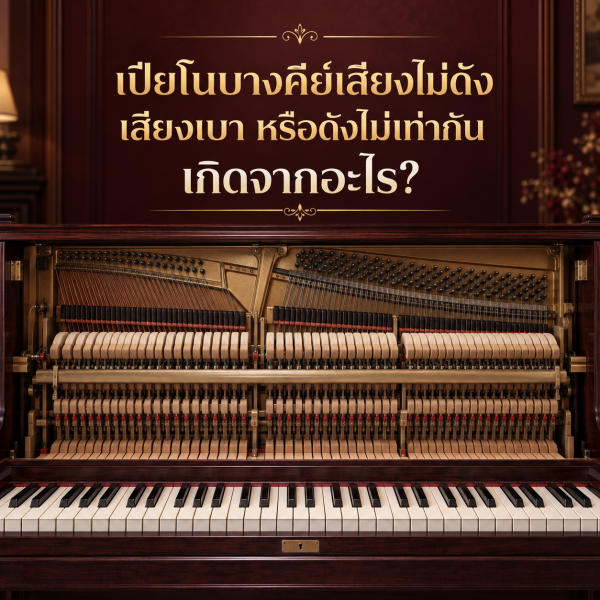
If a piano key produces no sound, sounds quieter than nearby keys, or the volume is uneven from key to key, the problem may not be caused by tuning alone. It can involve the action mechanism, hammers, strings, or specific internal components. This article explains the common symptoms and what a technician should inspect on the actual piano.
If some piano keys feel heavy, stiff, slow to return, or uneven in depth, the problem may not be related to tuning. It can be caused by the key mechanism, humidity, dust, or the condition of internal parts. This article explains the common symptoms, what a technician checks, and what you should avoid trying to repair yourself.
A Grand Piano is a high-value instrument and is not always easy to resell privately. Over time, the owner may want to move to a longer model, relocate, or eventually no longer need the piano. A buy-back guarantee therefore provides a long-term option, with the company able to assess and buy back the piano according to its condition and the applicable company terms at the time of assessment.
When a piano feels heavy to play, the keys respond unevenly, or some notes sound abnormal, it is easy to assume that tuning will fix everything. In reality, piano tuning, action regulation, and repair address different types of problems. This article explains what each service is designed to correct and when the actual piano should be inspected by a technician before booking the work.
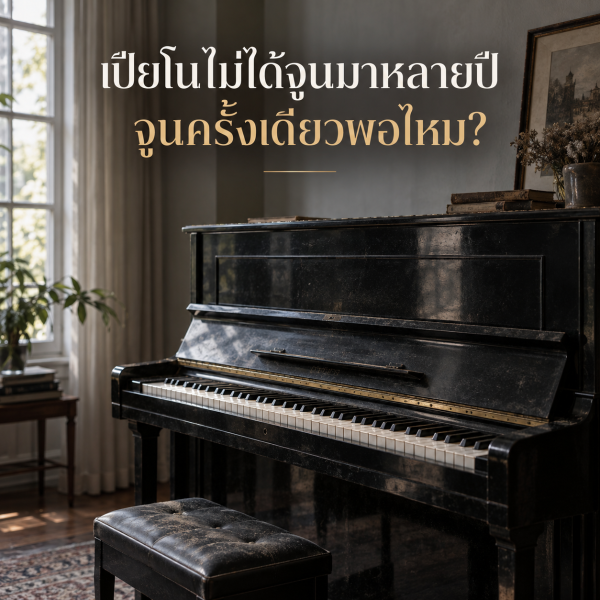
A piano that has not been tuned for many years may still be ready for tuning if the keys, action, and pedals are working normally. However, some instruments may have sticking keys, stiff action, or humidity-related problems that need repair before tuning. A technician should inspect the actual piano first to determine whether it can be tuned straight away or whether repairs are required, and a follow-up tuning may need to be scheduled sooner than usual.
People looking for a Yamaha Grand Piano often start by comparing the C3, C5, and C7 because these three sizes suit clearly different uses. When comparing the price of a new Yamaha with a Churairat Reconditioned Yamaha, the same budget may allow you to choose a longer Grand Piano. It is therefore important to consider the instrument size, available space, and the actual condition and quality of each individual piano.
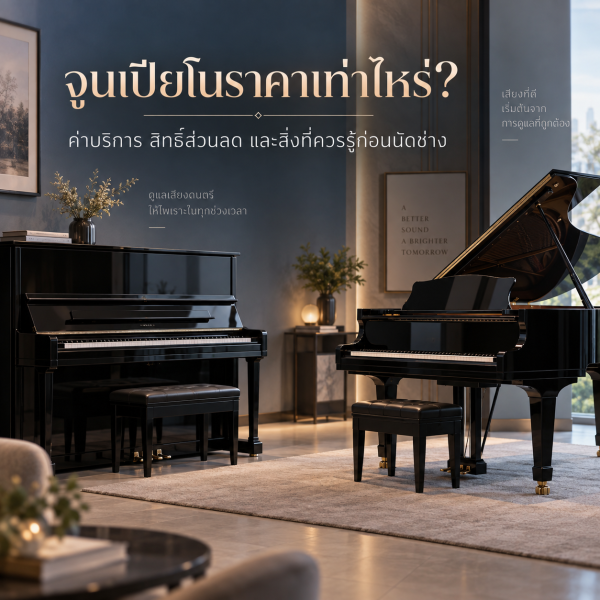
Piano tuning fees vary depending on the type of piano, service area, condition of the instrument, and scope of work. Rather than looking only at the starting price, it is also important to consider who is responsible for after-service support, whether there is a clear contact channel, and what the service already includes.
Sea air brings more than humidity. Airborne salt can accelerate corrosion on piano strings, tuning pins, center pins, and other metal components, while high humidity can affect wood, felt, and the action. This may lead to sticking keys, stiff mechanisms, mold, or unstable tuning. For this reason, Churairat Music strongly advises against placing an acoustic piano near the sea and applies specific warranty and rental conditions to high-risk coastal locations.
Compare new Yamaha piano prices in Thailand from entry-level Upright models through the C7X Grand Piano with new Classic pianos and Yamaha Reconditioned alternatives from Churairat Music. The same budget can lead to very different choices in piano type, size, country of manufacture, and long-term value, so buyers should compare more than just the starting price.
Music schools and teaching studios can rent pianos, making it possible to start or expand without investing a large amount of capital in several instruments from the beginning. Instead of purchasing more pianos than the business currently needs, schools can rent according to the actual number of classrooms and students, then add or return instruments as enrollment changes. Churairat Music also provides support in piano care, teaching books, ABRSM, performances, competitions, and continuing educational activities for teachers.
Knocking, clunking, squeaking or rattling sounds that appear while you press a key or use a pedal can come from several parts of the piano. Don't draw conclusions from the sound alone or try to fix it yourself, because the same sound can come from the action, the keys, the pedals or different internal parts.
Before booking a tuning, check whether the piano still plays normally. If any keys, action parts, or pedals are sticking, a technician has to inspect the piano on site first and report back to the team. The team is the one who tells the customer the repair items, the cost, and the time involved.